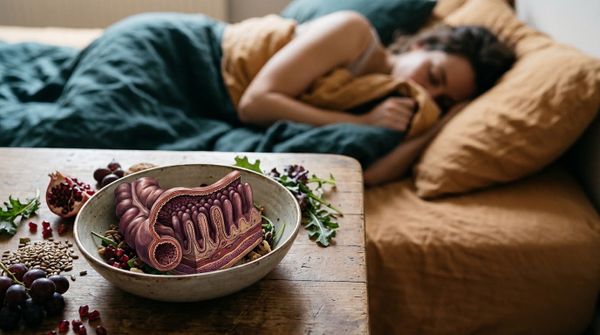
Gut Microbiome and Mood: How Bacteria Influence Anxiety and Depression – A Self‑Experiment Guide
New evidence links gut bacteria to mood regulation. Learn the biological pathways and try a 10‑day fiber self‑experiment to see personal effects.
New evidence links gut bacteria to mood regulation. Learn the biological pathways and try a 10‑day fiber self‑experiment to see personal effects.

A recent Ramadan pilot study shows that circadian misalignment blunts glucose clearance. We explain the biology, link related research, and give a 7‑day sleep‑alignment protocol you can try.
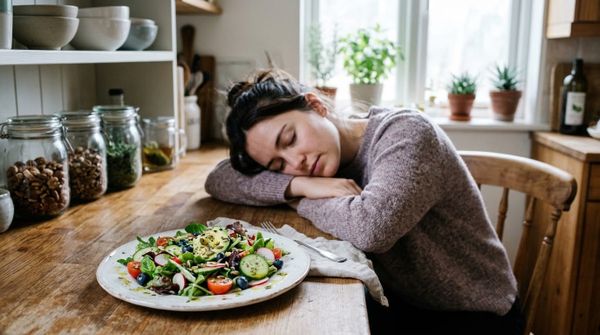
A new study shows octopamine‑driven neural circuits boost feeding when food is seen. Learn the mechanism and try a 10‑day self‑experiment to see if visual cues affect your own intake.

Recent work connects LBX1 dysregulation to preterm birth. We outline the mechanistic backdrop and a 14‑day nutrition protocol you can test yourself.

Recent findings show that common environmental toxicants can reshape cytokine production. We break down the biology and give a practical protocol you can try at home.
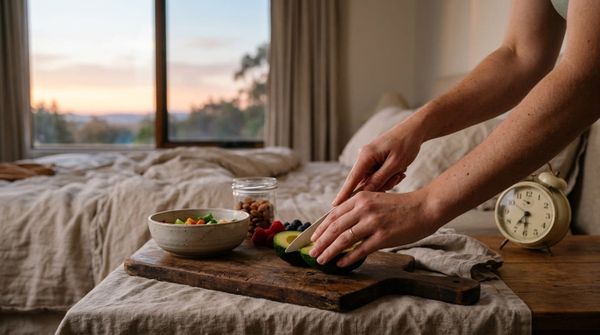
Recent research links circadian rhythms to immune efficiency. We explain the biology, connect three key studies, and give a 7‑14‑day self‑experiment protocol.

New research highlights the heart‑protective effects of plant‑centric diets. We unpack the mechanisms and offer a short self‑study to test the impact on your own cardiovascular markers.

Recent studies show gut microbes can alter brain neurotransmitters. We break down the mechanisms and offer a 7‑day self‑experiment to explore the gut‑brain link.
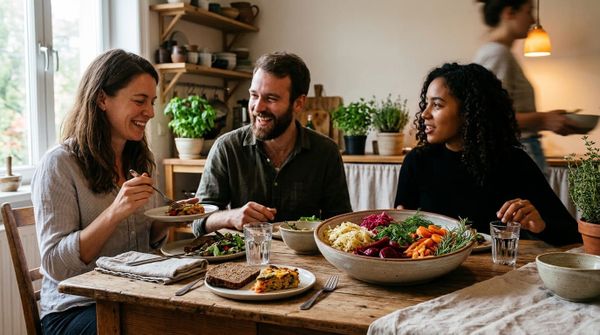
Recent research links gut microbiome diversity to better stress coping. We outline the biology and a 14‑day self‑study to test the connection.

New research connects TAp63 to the way sleep quality influences lipid and glucose pathways. We outline the mechanism and a short n‑of‑1 protocol you can try.
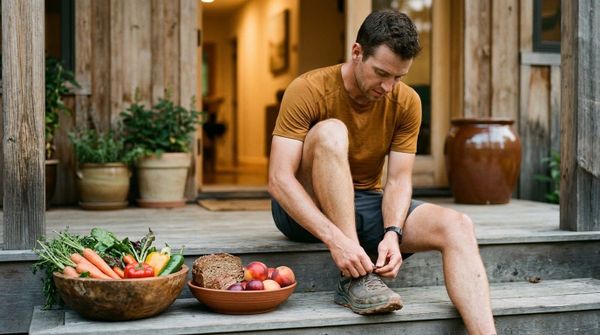
World cup champions report plant‑heavy meals that echo blue‑zone dietary patterns linked to longer telomeres. We outline a 10‑day self‑experiment to test these longevity‑focused nutrition habits.
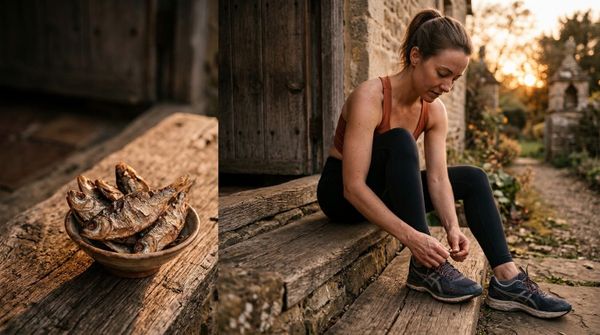
Small dried fish offer concentrated protein and micronutrients, making them a sustainable dietary option in low‑resource communities. A 7‑14‑day self‑experiment can help you assess their impact on health markers.
hiit
Emerging research links HIIT to reduced inflammation. We break down the mechanisms and give a 10‑day self‑experiment to test the effect yourself.
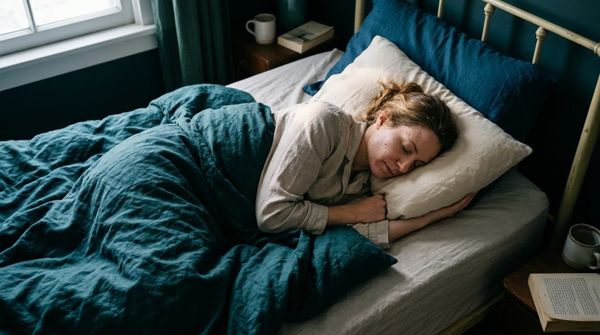
sleep
Recent research links disrupted sleep architecture to poorer cognition. Learn the mechanisms and try a 14‑day self‑experiment to test memory and problem‑solving benefits.
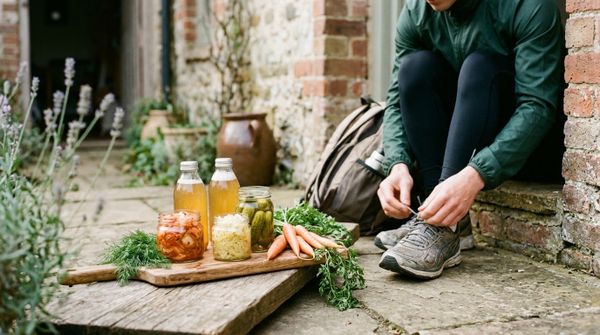
gut-microbiome
Emerging research shows that a richer gut microbiome correlates with lower anxiety and depression scores. Here’s the biological basis and a practical 10‑day protocol you can try.

chronic-stress
A recent mouse study shows chronic noise stress disrupts metabolism, prompting a review of cortisol’s role in insulin resistance and a 10‑day self‑experiment to monitor glucose and HRV.
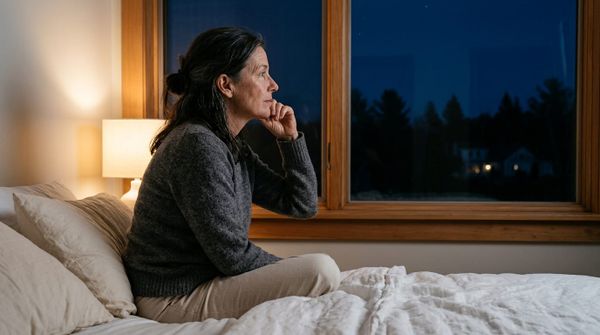
circadian-rhythm
Recent studies link circadian disruption to higher cancer risk. We explain the biology and give a 10‑day self‑experiment to test sleep‑wake alignment.

gut-microbiome
Recent studies show that Mediterranean‑style eating boosts gut microbiome diversity more than a typical Western diet. Try a 14‑day self‑study to see the effect for yourself.

chronic-stress
New research links stress hormones to inflammatory cytokines. We explain the biology, connect related studies, and outline a short self‑study protocol.

circadian-rhythm
Recent research shows that disrupting the circadian clock can hasten cellular senescence. We outline the underlying biology and a simple 7‑day protocol you can run yourself.
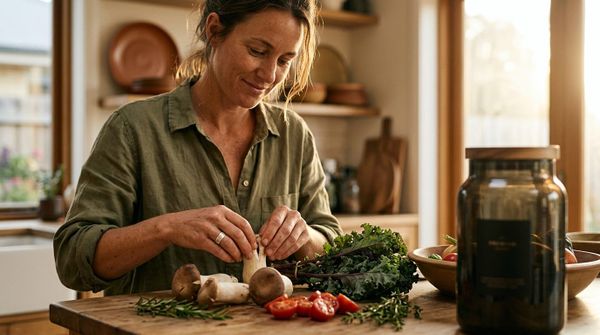
plant-based-diet
A recent cohort links plant‑based diets to distinct gut microbes. Learn the mechanisms and try a 10‑day self‑experiment to see the effect on your own microbiome.
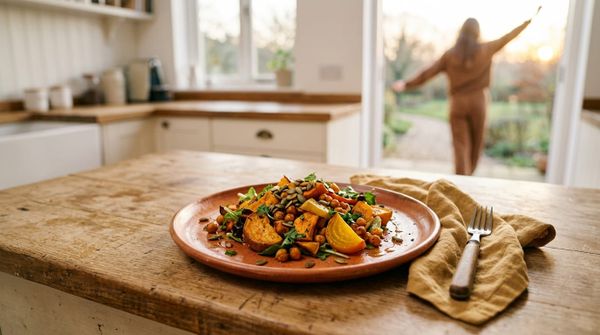
plant-based
Recent reviews link plant‑based diets to lower CRP and cytokines. We break down the mechanisms and give you a 14‑day self‑experiment to test the effect on your own inflammation.
sleep
A 2024 mouse study showed that fragmented sleep disrupts innate immune gene expression, highlighting how regular sleep may fortify immunity. We propose a short n‑of‑1 protocol.

exercise
Recent studies confirm that exercise improves insulin sensitivity at every age. We outline the biology and a short n‑of‑1 protocol you can try.