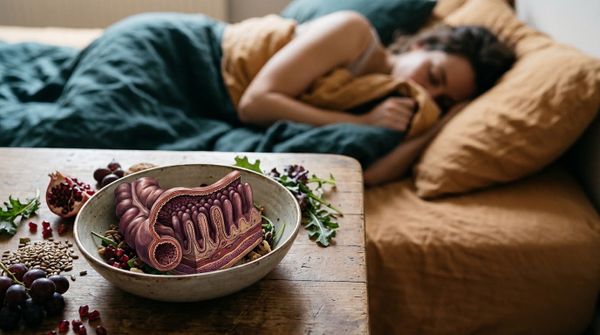
How Circadian Rhythms Shape Immune Response: Evidence and a 10‑Day Self‑Experiment
Recent research links circadian rhythms to immune efficiency. We explain the biology, connect three key studies, and give a 7‑14‑day self‑experiment protocol.

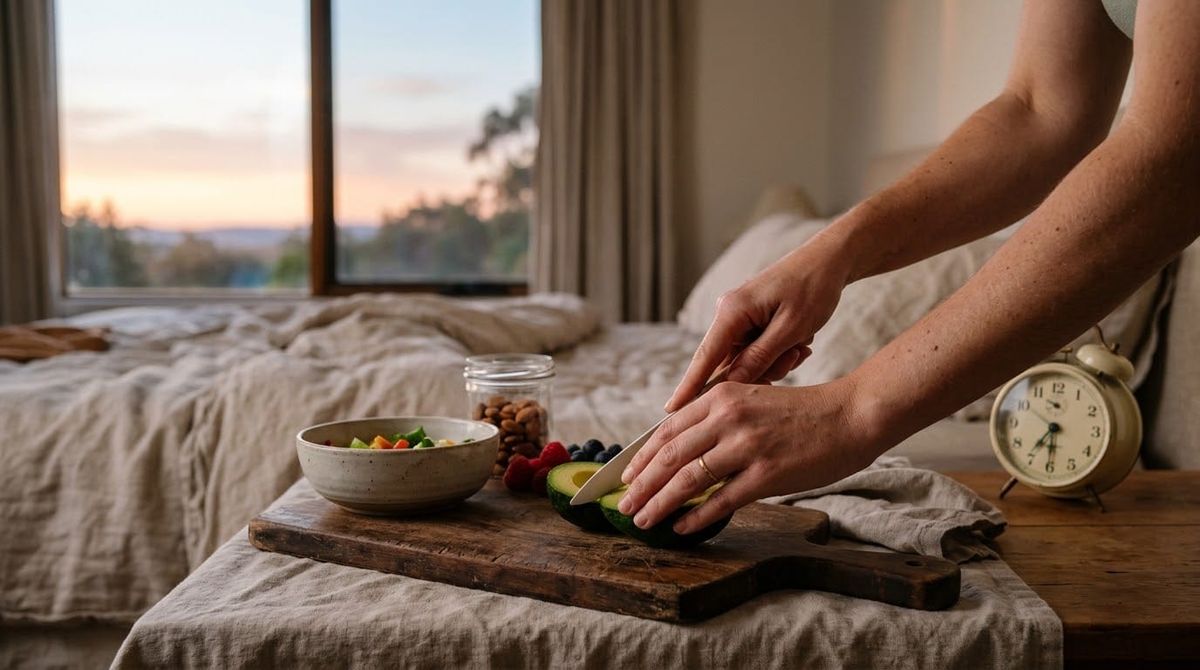
Recent evidence links daily clocks to immune efficiency
New work shows that the timing of our internal circadian clock modulates how effectively innate immune cells respond to pathogens. In a 2022 review of human and animal studies the authors found that immune cell trafficking, cytokine release, and Toll‑like receptor (TLR) signaling all oscillate across the 24‑hour cycle Poole & Kitchen (2022). This suggests that the time of day when a challenge occurs can influence the magnitude of the inflammatory response.

Why circadian timing matters for immunity
The molecular clock is built on transcription‑translation feedback loops that generate ~24‑hour rhythms in virtually every cell. Core clock proteins (BMAL1, CLOCK) drive rhythmic expression of genes that control metabolism, hormone secretion, and immune signaling. One key pathway is the TLR9 axis: the circadian clock directly regulates TLR9 expression, priming dendritic cells for stronger antiviral responses during the early night Silver et al. (2012). When TLR9 is up‑regulated, downstream NF‑κB activation and cytokine production are amplified, improving pathogen clearance.
Conversely, the same clock dampens pro‑inflammatory cytokine release during the rest phase, protecting tissues from collateral damage. This bidirectional control matches the body’s need for heightened surveillance when we are active and reduced inflammation when we are sleeping.
Connecting the research thread
Three studies illustrate a convergent picture:
- In a 2014 analysis, researchers documented daily peaks in leukocyte counts and chemokine levels, linking them to circadian oscillations of glucocorticoids Cutolo (2014).
- The 2017 paper on respiratory disease highlighted that inflammatory markers (IL‑6, TNF‑α) surge at night, coinciding with reduced melatonin secretion, which normally exerts anti‑inflammatory effects Comas et al. (2017).
- The 2024 review of hematopoietic homeostasis described how stem‑cell niches are re‑populated preferentially during the early rest phase, preparing the immune system for the upcoming active period Carpenter & Maryanovich (2024).
Together, these papers suggest a predictable rhythm: immune activation peaks in the early night, while anti‑inflammatory safeguards dominate in the early morning.
Self‑experiment protocol (7‑14 days)
We propose a simple n‑of‑1 study that lets you test whether aligning a mild immune challenge with your circadian peak improves the measurable response. The protocol uses a safe, over‑the‑counter immune stimulant such as a low‑dose vitamin C‑rich orange juice (≈250 mg vitamin C) taken at two different times.
- Baseline week (Days 1‑7). Continue your usual routine. Each morning upon waking, record resting heart‑rate variability (rHRV) using a wearable (5‑minute supine measurement). Also log subjective energy and any cold‑like symptoms.
- Intervention week (Days 8‑14). Consume the orange‑juice dose at your individual “immune‑peak” time, estimated as 2 hours after your dim‑light melatonin onset (typically around 20:00 for most adults). On alternate days, take the same dose at a control time (e.g., 08:00). Continue HRV recordings at the same morning slot.
Null hypothesis: There is no difference in the change in nightly rHRV or symptom score between peak‑time and control‑time dosing.
Analyze the data by calculating the mean nightly rHRV change for each condition and applying a paired t‑test (or non‑parametric equivalent). A statistically significant higher rHRV after peak‑time dosing would support the circadian‑immune link.
Open questions and caveats
These studies are largely observational or performed in animal models; human interventional data remain sparse. The magnitude of TLR9 rhythmicity may differ between individuals based on chronotype, sleep quality, and age. Moreover, the orange‑juice stimulus is modest; stronger challenges (e.g., vaccination) would be more informative but require medical oversight.
Future work should explore whether timed administration of vaccines or anti‑viral prophylactics can boost efficacy, and how chronic circadian misalignment (shift work, jet lag) alters baseline immune competence.

Until larger trials emerge, aligning everyday habits—light exposure, meal timing, and modest immune challenges—to your internal clock is a low‑risk strategy that may subtly enhance immune readiness.
References
- M. Comas, C. Gordon, B. Oliver (2017). A circadian based inflammatory response – implications for respiratory disease and treatment. Sleep Science and Practice. https://doi.org/10.1186/s41606-017-0019-2
- Joanna Poole, G. Kitchen (2022). Circadian regulation of innate immunity in animals and humans and implications for human disease. Seminars in Immunopathology. https://doi.org/10.1007/s00281-022-00921-z
- M. Cutolo (2014). SP0040 The Immune/Inflammatory Response Follows Circadian Rhythms. https://doi.org/10.1136/annrheumdis-2014-eular.6294
- Randall S. Carpenter, Maria Maryanovich (2024). Systemic and local regulation of hematopoietic homeostasis in health and disease. Nature Cardiovascular Research. https://doi.org/10.1038/s44161-024-00482-4
- Adam C. Silver, A. Arjona, W. Walker (2012). The circadian clock controls toll-like receptor 9-mediated innate and adaptive immunity. Immunity. https://doi.org/10.1016/j.immuni.2011.12.017
- A. Cutando, G. Gómez-Moreno, Carlos Arana (2007). Melatonin: potential functions in the oral cavity.. The Journal of Periodontology. https://doi.org/10.1902/JOP.2007.060396