
Gut Microbiome and Mood: How Bacteria Influence Anxiety and Depression – A Self‑Experiment Guide
New evidence links gut bacteria to mood regulation. Learn the biological pathways and try a 10‑day fiber self‑experiment to see personal effects.

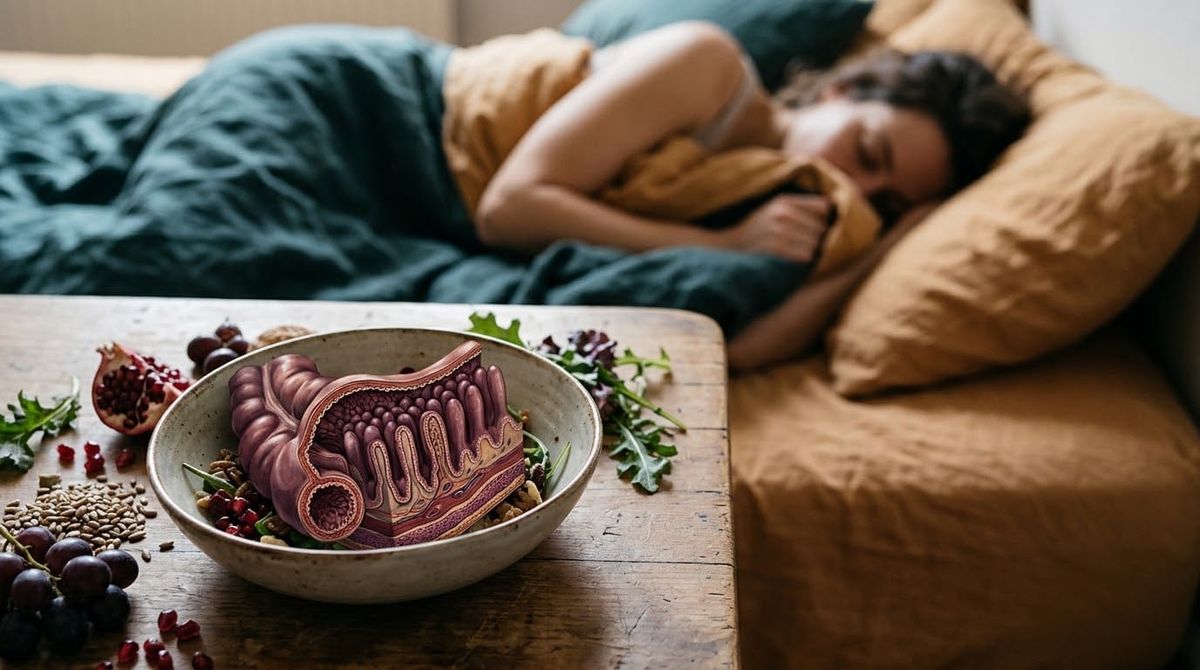
Recent studies indicate that gut bacteria may play a significant role in regulating mood and anxiety levels. In a comprehensive review, researchers highlighted multiple pathways through which the microbiome can affect emotional states, noting that alterations in bacterial composition are consistently observed in people with heightened anxiety or depressive symptoms Rathore et al. (2025).
Why the Gut Might Shape Your Mood
The gut‑brain axis operates via three main routes: microbial metabolites (especially short‑chain fatty acids, SCFAs), modulation of tryptophan metabolism which fuels serotonin production, and signaling to the hypothalamic‑pituitary‑adrenal (HPA) axis that governs stress responses. SCFAs such as butyrate can strengthen the intestinal barrier, reducing systemic inflammation that otherwise sensitizes the brain’s stress circuits Verma et al. (2024). Meanwhile, certain bacterial taxa convert dietary tryptophan into indole derivatives that cross the blood‑brain barrier and influence mood‑related neurotransmission Morse & Garcia (2025).

Connecting the Dots: Recent Evidence
Three recent papers converge on a bidirectional relationship. The 2025 comprehensive review mapped over 80 studies, finding that probiotic or prebiotic interventions modestly improved standardized anxiety scores in roughly half of the trials Rathore et al. (5). A separate analysis of diet‑microbiome interactions reported that higher fiber intake, which fuels SCFA‑producing bacteria, correlated with lower self‑reported mood disturbance Morse & Garcia (2025). Finally, a mechanistic study linked stress‑induced cortisol spikes to reduced microbial diversity, suggesting that mood can also reshape the gut environment Verma et al. (2024).
Designing a 10‑Day n‑of‑1 Self‑Study
Readers can test the gut‑mood link with a simple 10‑day protocol. The experiment isolates dietary fiber—a known prebiotic—as the intervention.
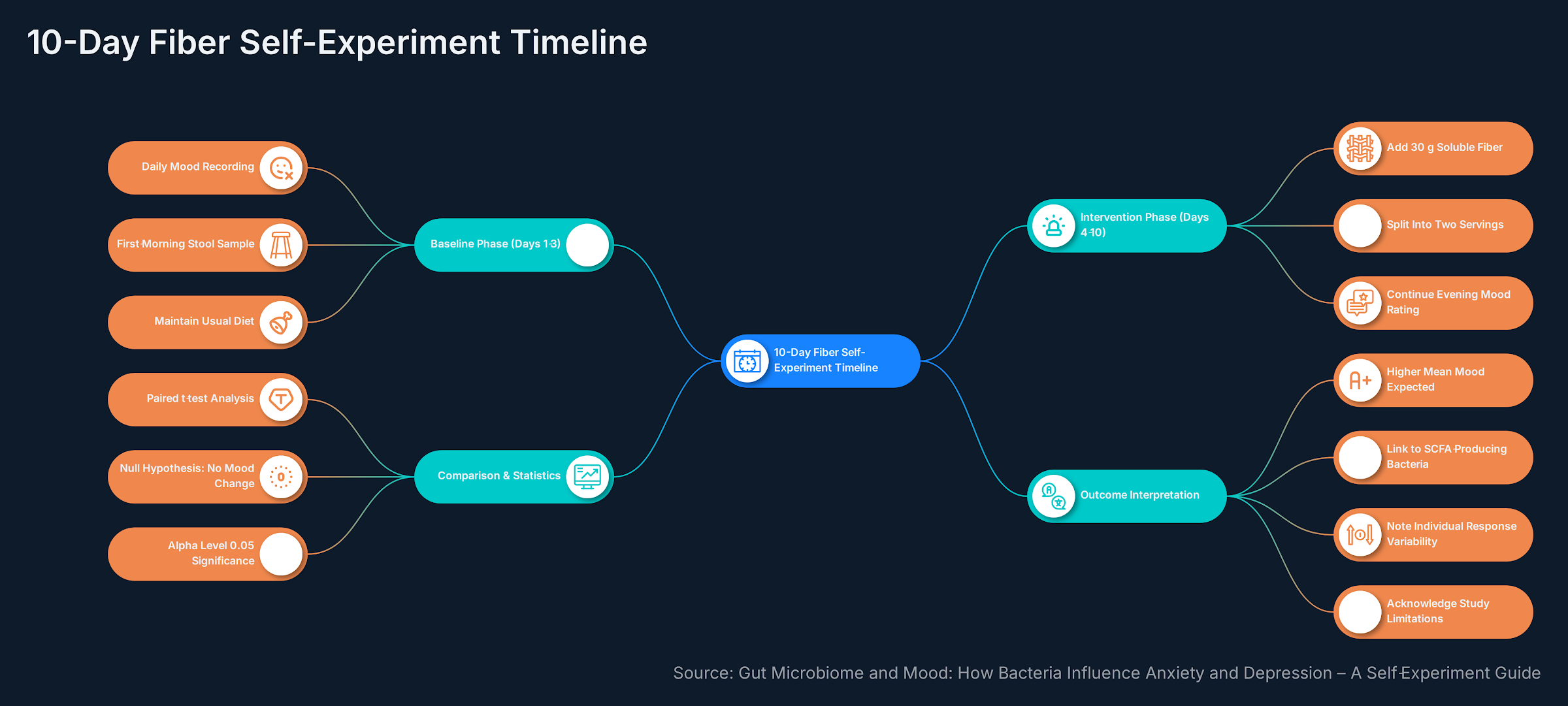
- Baseline (Days 1‑3): Record daily mood using a brief 5‑point Likert scale (1 = very low, 5 = very high) and collect a first‑morning stool sample for microbial profiling (optional, using a home kit).
- Intervention (Days 4‑10): Add 30 g of soluble fiber (e.g., oat bran) to your usual diet, split into two servings. Continue the same mood rating each evening.
- Control comparison: Compare average mood scores from the baseline window to the intervention window. The null hypothesis is that fiber intake does not change the mean mood rating.
Statistical significance can be assessed with a paired t‑test (α = 0.05). If the intervention window yields a higher mean mood rating, this aligns with the emerging evidence that SCFA‑producing microbes can uplift affective state.
What We Still Don’t Know
Although the literature points toward a causal role, many gaps remain. Most studies rely on self‑reported mood scales rather than objective neuroimaging or hormonal biomarkers. The specific bacterial strains responsible for mood modulation are still being identified, and individual responses appear highly variable. Long‑term effects of sustained fiber supplementation on clinical depression have yet to be demonstrated. Future work that combines metagenomics with cortisol and serotonin measurements will clarify the directionality of the gut‑brain feedback loop.
Take‑Away
Current research suggests that the gut microbiome can both influence and be influenced by mood. A short, fiber‑focused self‑experiment offers a low‑risk way to observe personal effects, while broader studies continue to map the underlying mechanisms. As always, if you have a diagnosed mental health condition, discuss any dietary changes with a healthcare professional.

References
- A. Borrego-Ruiz, Juan J. Borrego (2025). Human oral microbiome and its influence on mental health and brain disorders. AIMS Microbiology. https://doi.org/10.3934/microbiol.2025013
- A. Sălcudean, D. Cîmpian, R. Popovici (2025). Dietary Habits and Their Influence on the Microbiome and Mental Health in Adolescents. Nutrients. https://doi.org/10.3390/nu17091496
- K. Rathore, N. Shukla, Sunil Naik (2025). The Bidirectional Relationship Between the Gut Microbiome and Mental Health: A Comprehensive Review. Cureus. https://doi.org/10.7759/cureus.80810
- Meroe B. Morse, B. Garcia (2025). Food and Mood: Current Evidence on Mental Health and the Microbiota-Gut-Brain Axis. Current Psychiatry Reports. https://doi.org/10.1007/s11920-025-01636-2
- A. Borrego-Ruiz (2025). Vegetarian and ketogenic diets: Their relationship with gut microbiome and mental health, and their clinical applications. Food Nutrition Chemistry. https://doi.org/10.18686/fnc278
- Ankit Verma, S. Inslicht, Aditi Bhargava (2024). Gut-Brain Axis: Role of Microbiome, Metabolomics, Hormones, and Stress in Mental Health Disorders. Cells. https://doi.org/10.3390/cells13171436