
sleep-quality
Sleep Quality, TAp63, and Metabolic Health Self‑Study Guide
New research connects TAp63 to the way sleep quality influences lipid and glucose pathways. We outline the mechanism and a short n‑of‑1 protocol you can try.

sleep-quality
New research connects TAp63 to the way sleep quality influences lipid and glucose pathways. We outline the mechanism and a short n‑of‑1 protocol you can try.
sleep
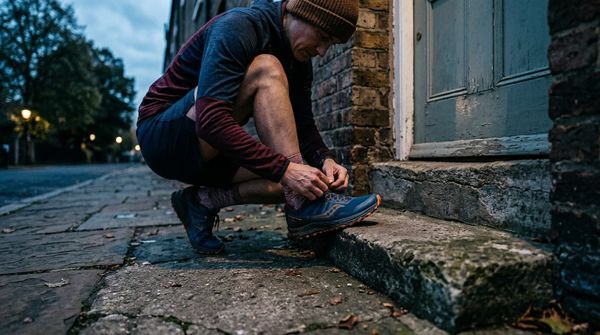
Recent research ties shorter sleep to heightened inflammation. We explain the biology and give a 10‑day protocol to see if extra sleep lowers your immune markers.
circadian
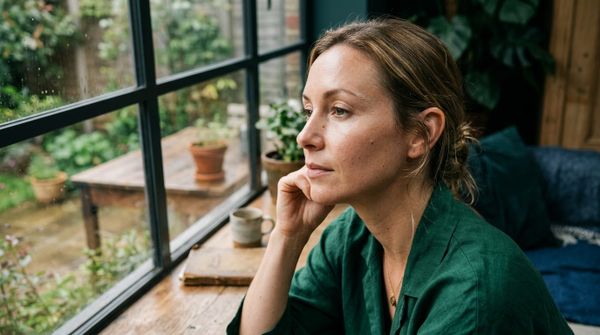
Morning daylight is the strongest signal for your internal clock — and a consistent habit is one of the simplest levers for sleep, energy, and metabolic health.
circadian
Recent dermatology reports link PER2 variants to atopic dermatitis severity. We explain the clock‑gene mechanism, cite circadian skin studies, and provide a simple 10‑day self‑experiment.

blue-light
Exposure to bright blue light at night can sharply lower melatonin. We break down why and give a short self‑study you can try.
circadian
A recent adolescent study links nighttime blue light to cortisol spikes and higher insulin. We outline a short self‑experiment to see if reducing evening blue light improves metabolic markers.

circadian
A recent mouse study shows timed exercise reshapes circadian rhythms; we connect this to neuroplasticity and propose a self‑experiment to improve learning compliance.
sleep
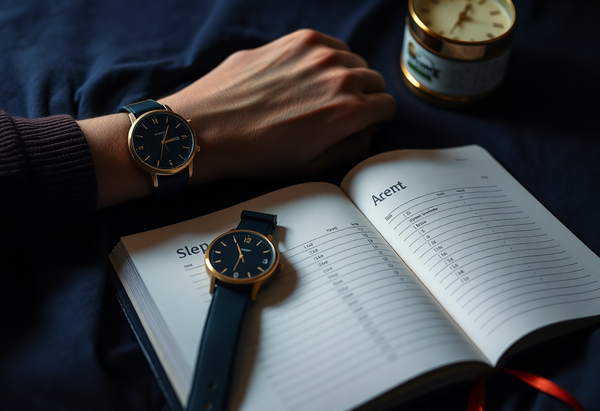
A 2025 study found that syncing interventions to participants’ sleep windows cut trial dropout by 31%. Discover how circadian‑aligned protocols improve adherence in personal health experiments.