gut-microbiome
The Role of Gut Microbiome Diversity in Mental Health Outcomes
Exploring the link between gut microbiome diversity and mental health outcomes, including mechanisms and self-experimentation protocols.

gut-microbiome
Exploring the link between gut microbiome diversity and mental health outcomes, including mechanisms and self-experimentation protocols.
dietary-fiber
Explore the impact of dietary fiber on gut microbiome diversity and its implications for metabolic health.
gut-microbiome
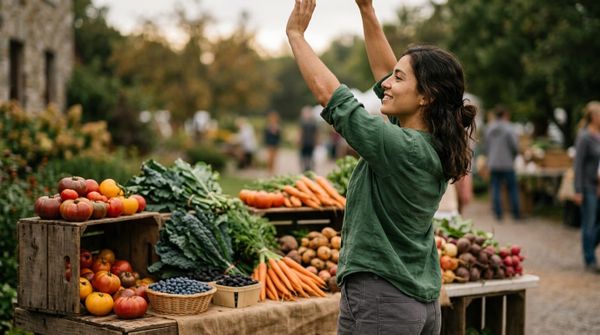
This article examines emerging research on the connection between gut microbiome diversity and metabolic health, offering actionable self-study protocols.
dietary-fiber
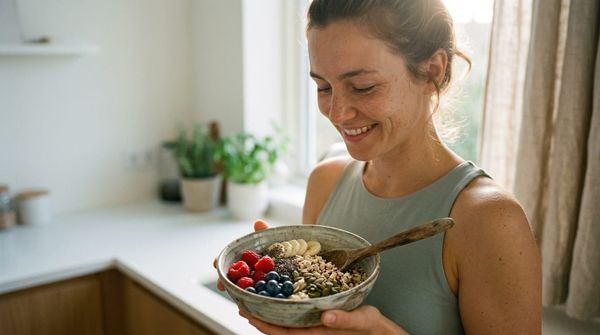
Discover how increasing dietary fiber can transform gut health and metabolic outcomes through enhanced microbiome diversity.

gut-microbiome
Discover how adopting a plant-based diet can improve gut microbiome diversity and digestive health, backed by recent studies.
gut-microbiome
A new hypothesis links gut‑derived secondary bile acids to hypothalamic TSH receptor expression, offering a 10‑day self‑experiment to test the connection.

ultra-processed-foods
Corporate market power and lax DSHEA rules let ultra‑processed foods bypass gut‑microbiome safeguards. A short self‑experiment can reveal personal effects on HRV and stool consistency.

ultra-processed-foods
A policy analysis reveals FDA's ultra‑processed food definition overlooks gut microbiome disruption. We unpack the mechanism, cite recent metabolic studies, and offer a 10‑day self‑experiment.
biohacking
Community data collection shows biohacking forums can self‑validate dietary experiments, offering a low‑cost alternative to traditional trials.
biohacking
Biohacking forums turn collective biomarker logs into a low‑cost validation platform for novel dietary interventions.
biohacking
We examine community‑sourced evidence on dietary diversity, linking chitosan, leafy greens, and wild Asteraceae research to a practical self‑experiment.
gut-microbiome
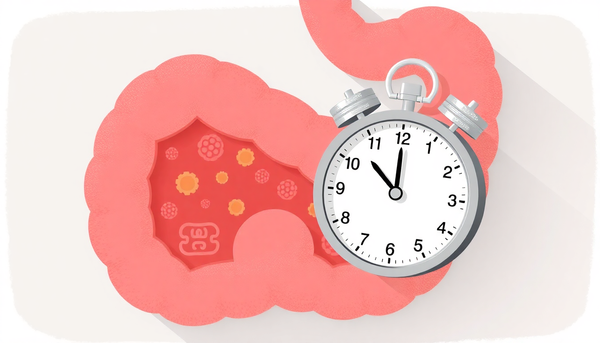
A 2025 Cell Metabolism study found that an inflammatory gut microbiome predicts a 73% dropout rate in 30‑day protocols. We unpack the mechanism and give readers a concrete 14‑day self‑experiment to test anti‑inflammatory strategies.