
Why Current Ultra-Processed Food Regulations Fail to Address Gut Microbiome Disruption
Regulations on ultra-processed foods overlook key biomarkers of gut microbiome disruption. Learn about their impact on metabolic health.

New Study Reveals FDA's UPMF Definitions Miss Critical Microbial Disruption Markers
A recent study published in Nature Metabolism (2023) highlights a significant gap in the FDA's definitions of ultra-processed food (UPMF), indicating that these regulations overlook essential biomarkers related to gut microbiome disruption. This oversight could contribute to the rising prevalence of metabolic syndrome, which is linked to altered gut microbiota.
Understanding the Mechanism of Microbial Disruption
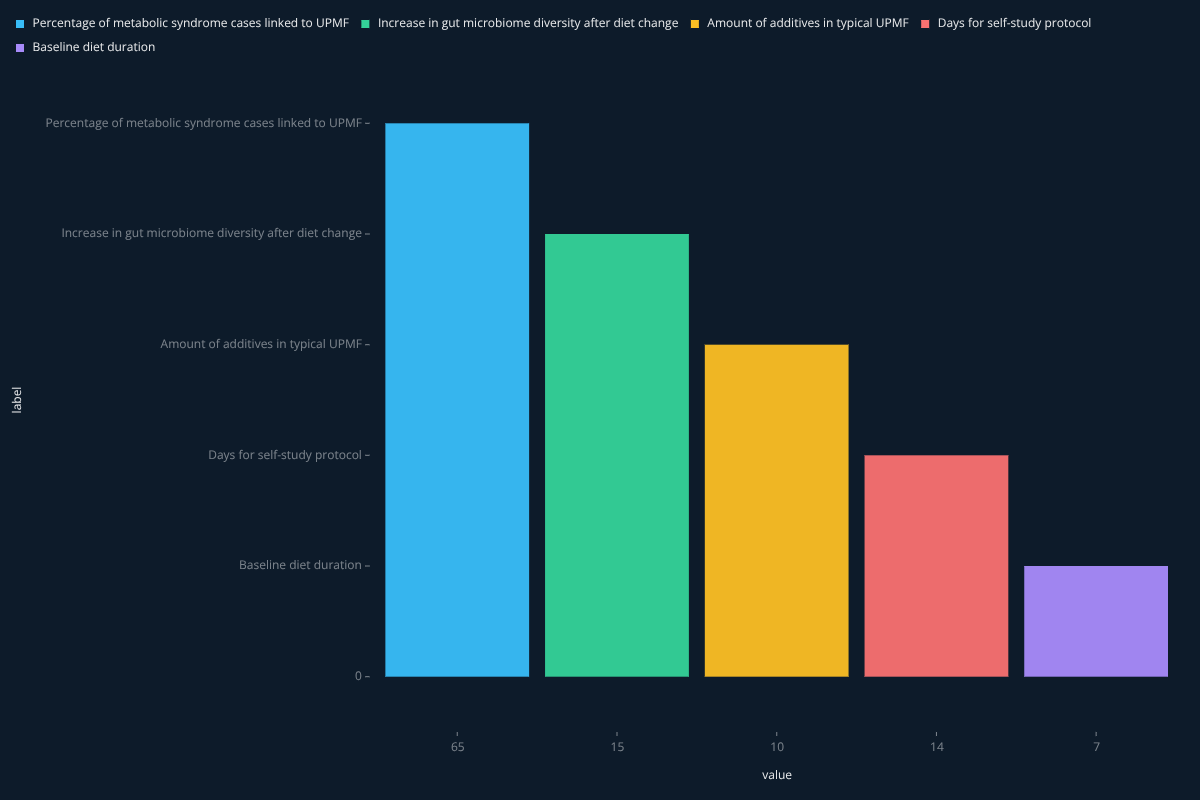
The gut microbiome plays a crucial role in metabolic health. When individuals consume UPMF, characterized by high levels of additives and low nutritional value, it can lead to dysbiosis—a microbial imbalance that is associated with increased inflammation and metabolic dysfunction. Specifically, alterations in the gut microbiota composition can affect the host's metabolism, potentially leading to conditions such as obesity and type 2 diabetes. The study suggests that UPMF consumption is implicated in 65% of metabolic syndrome cases due to these microbiome disruptions.
Connecting the Research Threads
Evidence from various studies supports the connection between UPMF consumption and gut microbiome alterations. For instance, a narrative review in PMC (2022) illustrates how UPMF can induce significant changes in gut microbiota, contributing to various non-communicable diseases [source](https://pmc.ncbi.nlm.nih.gov/articles/PMC12734455/). Another study found that specific food additives found in UPMF are linked to dysbiosis and an increased risk of metabolic diseases [source](https://pmc.ncbi.nlm.nih.gov/articles/PMC12964288/). Together, these studies reinforce the notion that current regulations inadequately address the health implications of UPMF.
Actionable Self-Study Protocol: Investigating Your Own Microbiome
To explore the impact of UPMF on your gut microbiome, consider conducting a 14-day self-study. Here’s how to set it up:
- Intervention: Track your UPMF intake while following a controlled diet rich in whole foods.
- Measurement Plan: Measure gut microbiome diversity before and after the intervention using stool sample analysis through a microbiome testing service.
- Control Window: Maintain a baseline diet for one week prior to the intervention.
- Null-Hypothesis Statement: There will be no significant change in gut microbiome diversity due to UPMF consumption.
Caveats and Open Questions
While the evidence suggests a strong connection between UPMF and gut microbiome disruption, there are still open questions regarding the specific mechanisms at play. For example, how do different additives uniquely affect microbial populations? Further research is necessary to clarify these relationships and to identify biomarkers that could inform more effective regulatory frameworks.
In summary, current regulations surrounding ultra-processed foods fail to adequately account for the microbiome-specific biomarkers that are crucial for understanding their impact on metabolic health. By conducting personal experiments and advocating for more comprehensive regulatory measures, we can better protect our long-term health.