
The Role of Hydration in Athletic Performance: A Deeper Look
Discover the critical role hydration plays in athletic performance and how to implement effective hydration strategies for improved outcomes.

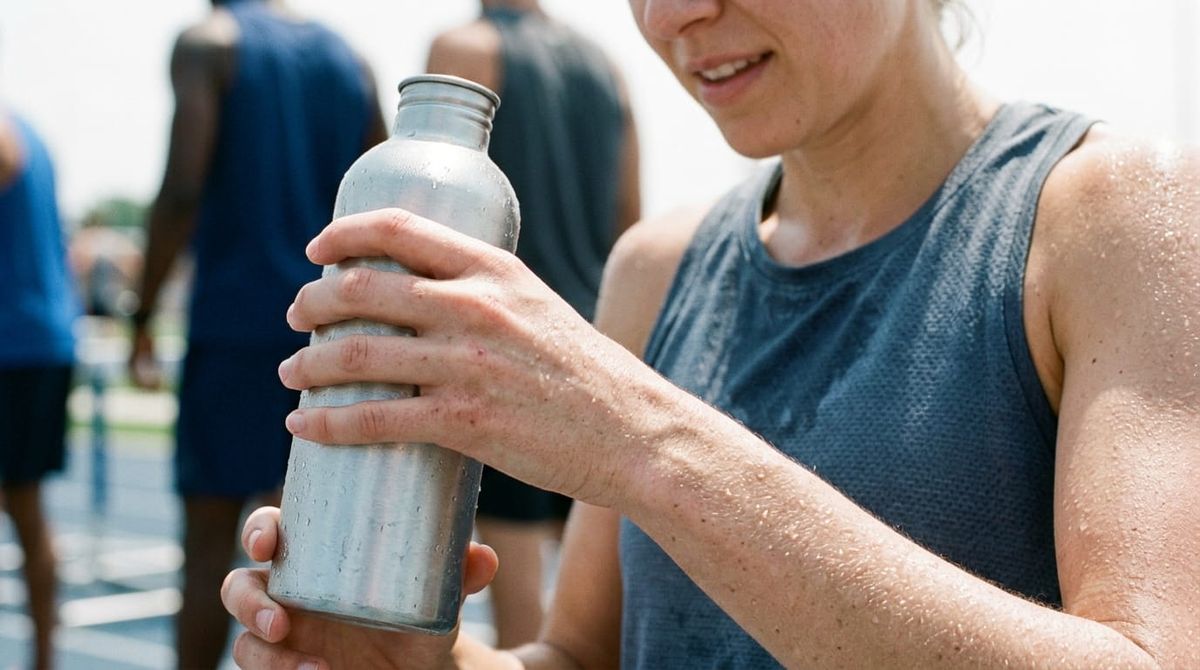
Hydration Strategies and Athletic Outcomes
Recent findings show hydration strategies can significantly affect athletic outcomes. A study by Gomashie et al. (2025) highlights that proper hydration knowledge among athletic coaches in Ghana directly correlates with improved performance in athletes. The evidence suggests that athletes who effectively manage their fluid intake can experience enhanced endurance, strength, and overall performance during activities.
Illustrates the correlation between hydration strategies and athletic performance metrics.
Sources: https://www.semanticscholar.org/paper/4957127caca2650b4e88b6d05c4812a53334f79a · https://www.semanticscholar.org/paper/c05a1cf39f61377165752776479ddc0fb5deedd2
Mechanisms Behind Hydration's Impact
Hydration plays a crucial role in maintaining optimal physiological functions during exercise. When the body is properly hydrated, it can regulate temperature more effectively, transport nutrients, and eliminate waste products efficiently. Dehydration can lead to increased heart rate, reduced blood volume, and impaired thermoregulation, all of which can detrimentally affect performance. This is particularly important during prolonged or intense exercise when fluid loss can occur rapidly through sweat.
Connecting Research Threads
Several studies reinforce the significance of hydration in athletic performance. For instance, the work by Najiah et al. (2024) discusses nutritional interventions and their effects on athletic recovery, emphasizing hydration as a key factor in recovery protocols. Furthermore, Li et al. (2025) elaborate on optimal hydration strategies for cyclists, indicating that appropriate fluid intake can lead to improved performance metrics, such as power output and endurance.
These studies collectively suggest a consistent theme: hydration is not just a matter of thirst; it is a critical component of athletic training and performance. Athletes who prioritize hydration may find themselves at a distinct advantage over those who do not.
A visual guide to hydration strategies for different sports and exercise types.
Sources: https://www.semanticscholar.org/paper/362f0929fd3e623828f4f508d41be32a98cc7296 · https://www.semanticscholar.org/paper/c05a1cf39f61377165752776479ddc0fb5deedd2
Self-Study Protocol for Hydration
To explore the impact of hydration on your performance, we propose a 14-day self-study protocol:
- Intervention: Track daily fluid intake and adjust according to exercise intensity.
- Measurement Plan: Record performance metrics (e.g., endurance times, strength levels) and hydration status (e.g., urine color, body weight changes).
- Control Window: Maintain a consistent exercise routine while varying hydration levels.
- Null-Hypothesis Statement: There will be no significant difference in performance metrics regardless of hydration levels.
By conducting this self-experimentation, readers can gain insights into how hydration affects their individual performance outcomes.
Caveats and Open Questions
While the evidence suggests a strong link between hydration and athletic performance, there are still open questions. Individual variability in sweat rates, environmental conditions, and the type of exercise can affect hydration needs. Additionally, the optimal hydration strategy may differ among various sports and personal preferences. More research is needed to establish tailored hydration protocols that cater to different athletic profiles.
References
- Wei Wang (2025). A biomechanical perspective on the relationship between basketball performance and college students’ physical and mental health: An integrated analysis of athletic performance and psychological regulation. Molecular & Cellular Biomechanics. https://doi.org/10.62617/mcb1231
- Gabriel Gomashie, F. Hayford, R. Steele-Dadzie (2025). Hydration Knowledge and Fluid Replacement Strategies among Athletic Coaches in Ghana. African Journal of Sports and Physical Sciences. https://doi.org/10.62154/ajsps.2025.04.01011
- Recovery Najiah, Rasool Jaan, Dr. Khalid Usman (2024). Nutritional Interventions and Their Effects on Athletic Performance and Recovery. GUMAN. https://doi.org/10.63075/guman.v7i3.849
- Jianda Li, Qiang Liu, Jingpeng Wang (2025). Nutrition and hydration for cyclists: optimal strategies to improve performance. Medicina dello Sport (Testo stampato). https://doi.org/10.1728/4632.46420
- Rizka Dwi Puspitasari, Aisyah Azzahra Arfajah (2026). The Role of Nutrition in Optimizing Athletic Performance and Recovery: A Literature Review. Journal of Nutrition and Health Care. https://doi.org/10.62012/junic.vi.39
- A. Georgescu, A. Georgescu, Petre Marian Alexandru Lică (2026). A PHASE-BASED NUTRITIONAL RECOVERY MODEL: INTEGRATING METABOLISM, ALLOSTATIC LOAD, AND NUTRIENT TIMING IN ATHLETIC PERFORMANCE AND RECOVERY. Ovidius University Annals, Series Physical Education and Sport/Science, Movement and Health. https://doi.org/10.61801/oua.2026.2.09