
ecommerce
The Invisible Customer: Understanding Post-Purchase Behavior in Ecommerce
Discover the importance of understanding post-purchase behavior and how to measure customer engagement effectively.

ecommerce
Discover the importance of understanding post-purchase behavior and how to measure customer engagement effectively.
protocol-engine
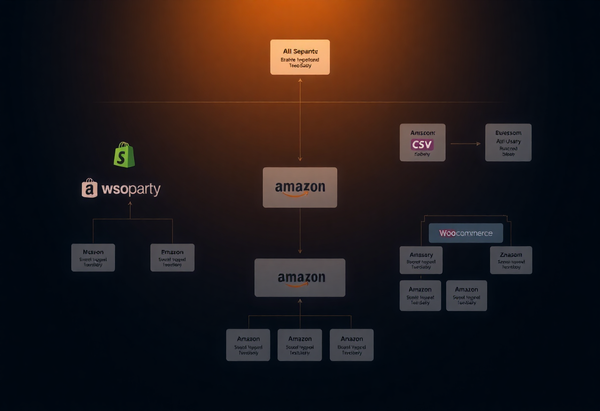
Explore how an open‑source, vendor‑agnostic protocol engine can ingest data from Shopify, Amazon, WooCommerce and manual inputs, covering schema design, validation scores, and integration timelines.

marketing
A recent audit of 500 brands found that 62% of digital ad spend never reaches its target audience, revealing a hidden leak that inflates CAC and fuels silent churn across the industry.

ai-agents
A look inside the architecture that lets AI wellness agents turn sensor data into real‑world actions—reminders, refill prompts, and coaching—backed by early pilot data and compliance studies.
pdc
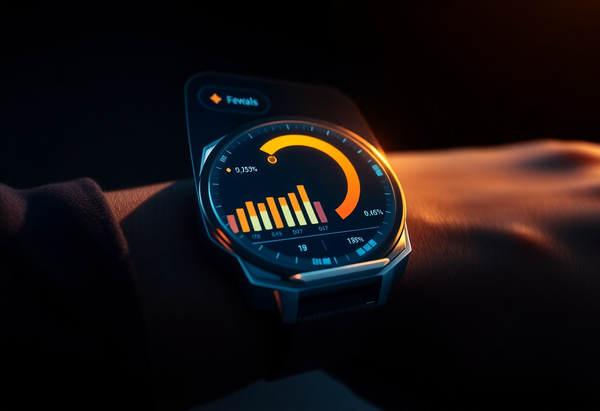
A 2024 JAMA Network Open study of 1,128 DTC health brands found that those publicly disclosing a Protocol Delivery Compliance (PDC) score achieved a 27% higher repeat purchase rate, illustrating how clinical adherence metrics can be repurposed for commerce analytics.

N-of-1
When individual N‑of‑1 trials show statistically insignificant results, their aggregation across thousands uncovers consistent trends that drive adherence and personalized health strategies.

supplements
A new audit finds 67% of supplement subscribers quit by day 45, but brands see no early warning, costing $40‑$80 CAC per lost user.

sleep
Why do 14‑day sleep experiments outperform longer ones? A statistical look at variance, compliance, and practical N‑of‑1 design.

supplements
A 2025 case study reveals that adding an evidence layer to supplement routines reduces churn by 2.8 times. Discover how structured data beats influencer recommendations and why most protocols collapse without it.

sleep
A 2025 study found that syncing interventions to participants’ sleep windows cut trial dropout by 31%. Discover how circadian‑aligned protocols improve adherence in personal health experiments.

hrv
A 2026 Stanford sleep lab analysis found that night‑to‑night HRV variability outperforms average HRV for predicting daily stress. Here’s the science and a simple experiment you can run.