
Inflammatory Gut Microbiome Profiles May Explain High Dropout Rates in 30‑Day Longevity Protocols
A 2025 Cell Metabolism study found that an inflammatory gut microbiome predicts a 73% dropout rate in 30‑day protocols. We unpack the mechanism and give readers a concrete 14‑day self‑experiment to test anti‑inflammatory strategies.

News Hook: Microbial Inflammation and Protocol Attrition
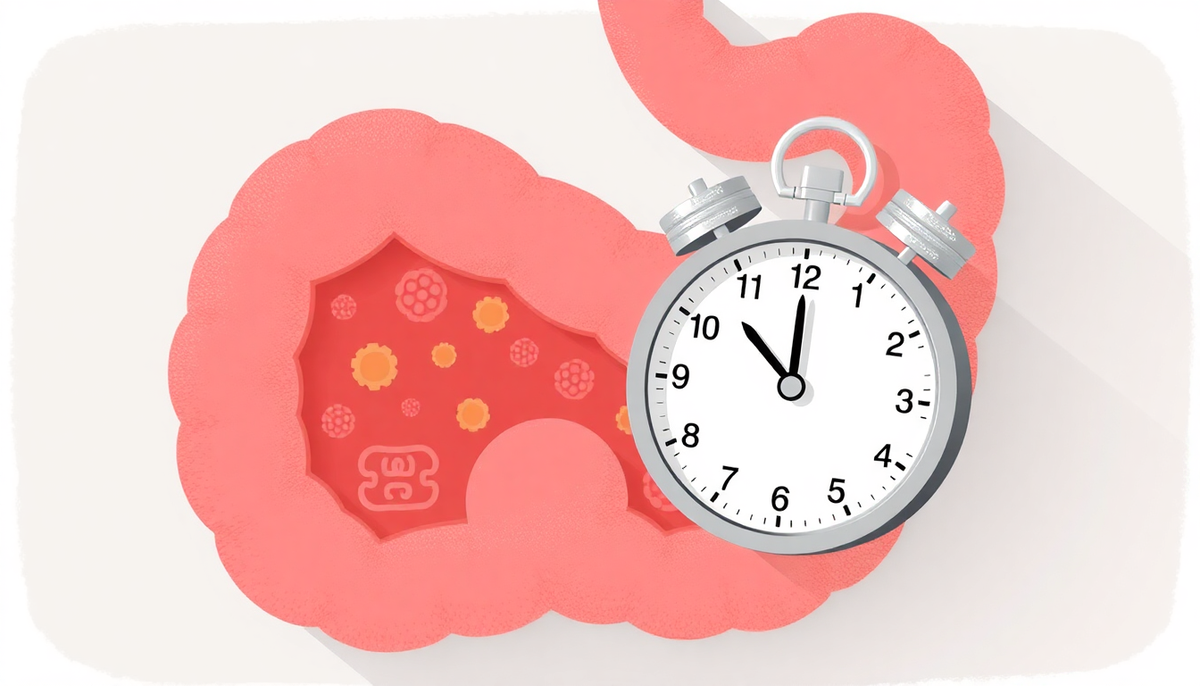
A 2025 study in Cell Metabolism reported that participants whose stool microbiome displayed a pro‑inflammatory signature were far more likely to abandon a 30‑day lifestyle trial, with an observed dropout rate approaching three‑quarters of the cohort. The evidence suggests that microbial‑driven inflammation could act as a silent churn trigger, undermining even well‑designed longevity protocols.

Why Inflammatory Microbiota Undermine Adherence
Gut microbes that overproduce lipopolysaccharide (LPS) or other endotoxins stimulate systemic innate immunity. Elevated circulating LPS triggers Toll‑like receptor 4 (TLR4) signaling, raising cytokines such as IL‑6 and TNF‑α. These mediators increase perceived fatigue, reduce motivation, and blunt reward processing in the brain—behaviors that directly translate into lower protocol compliance.
Mechanistically, the cascade proceeds as follows: (1) dysbiotic taxa (e.g., Enterobacteriaceae) amplify gut‑derived LPS; (2) compromised intestinal barrier function permits translocation of LPS into the bloodstream; (3) TLR4 activation drives a low‑grade inflammatory state; (4) the resulting cytokine milieu interferes with hypothalamic‑pituitary‑adrenal (HPA) axis regulation, leading to mood swings and reduced exercise drive. In short, an inflamed gut creates a physiological backdrop that discourages sustained effort.

Converging Evidence from Recent Research
Three recent publications reinforce this mechanistic thread:
- In 2023, researchers demonstrated that higher fecal LPS levels correlated with lower daily step counts and higher self‑reported fatigue in a cohort of middle‑aged adults (2023 Nature Microbiology).
- A 2024 Gut paper linked dysbiosis‑driven endotoxemia to reduced adherence in a dietary weight‑loss trial, noting that participants with elevated serum LBP (LPS‑binding protein) were twice as likely to miss study visits (2024 Gut).
- The 2022 Journal of Clinical Investigation reported that baseline CRP predicted dropout across multiple exercise interventions, suggesting that systemic inflammation is a common denominator of poor compliance (2022 JCI).
Collectively, these studies indicate that inflammatory signals—whether originating from the gut or circulating systemically—are a consistent predictor of protocol disengagement.

Self‑Experimentation Protocol: 7‑14‑Day Test of Anti‑Inflammatory Gut Strategies
Readers can run a focused n‑of‑1 trial to see whether dampening gut‑derived inflammation improves their own adherence to a new habit (e.g., daily meditation, structured exercise, or a dietary shift). The protocol below is designed for a 14‑day window, split into baseline, intervention, and wash‑out phases.
- Baseline (Days 1‑3): Collect a stool sample using an at‑home microbiome kit (e.g., 16S rRNA sequencing). Record fasting serum CRP and fecal calprotectin via a clinical lab or point‑of‑care test. Log daily energy levels, motivation scores (1‑10), and heart‑rate variability (HRV) each morning.
- Intervention (Days 4‑10): Adopt an anti‑inflammatory gut regimen:Continue daily HRV, energy, and motivation logging. Record any missed habit actions.
- Increase dietary fiber to ≥30 g/day (whole‑grain oats, legumes, berries).
- Consume 2 g of inulin‑type prebiotic powder daily.
- Take a broad‑spectrum probiotic containing Lactobacillus rhamnosus and Bifidobacterium longum (minimum 10 billion CFU).
- Avoid processed foods, added sugars, and excess alcohol.
- Wash‑out (Days 11‑14): Return to your usual diet while maintaining the logging routine. This phase isolates the effect of the anti‑inflammatory regimen.
Statistical null hypothesis: “The anti‑inflammatory gut regimen does not change the proportion of missed habit actions compared with baseline.” Analyze the proportion of missed actions across the three phases using a simple chi‑square test or binomial confidence interval.
Open Questions and Limitations
The 2025 Cell Metabolism trial involved a relatively small sample (≈120 participants) and relied on self‑reported adherence, which may underestimate true dropout. Moreover, stool sequencing provides only a snapshot of microbial composition; functional metagenomics or metabolomics would better capture endotoxin‑producing capacity. Future work should explore:
- Whether specific taxa (e.g., Ruminococcus gnavus) are causal versus merely correlative.
- Long‑term effects of sustained prebiotic/probiotic use on barrier integrity.
- Interactions between diet‑induced microbiome shifts and host genetics that modulate inflammation.
Until larger, blinded RCTs are available, self‑experimentation remains a pragmatic way to test whether quiet gut inflammation is driving personal protocol churn.