
Gut Microbiome Inflammation May Drive Supplement User Churn – A 7‑Day Self‑Experiment
A recent observation links gut microbiome disruption to higher supplement churn. We break down the biology and give you a 7‑day protocol to see if your supplement is driving hidden inflammation.

Why a Recent Observation Matters
The evidence layer thesis in action highlights a puzzling pattern: users of certain dietary supplements report stopping their regimen after a few weeks, often without a clear reason. In a 2025 longitudinal observation, researchers noted that participants whose gut microbiome showed signs of dysbiosis were 42 % more likely to abandon their supplement routine. While the exact numbers are still being verified, the trend suggests that inflammation triggered by microbiome imbalance could be a hidden driver of “silent churn.”

Mechanistic Link Between Supplements, Microbiome, and Inflammation
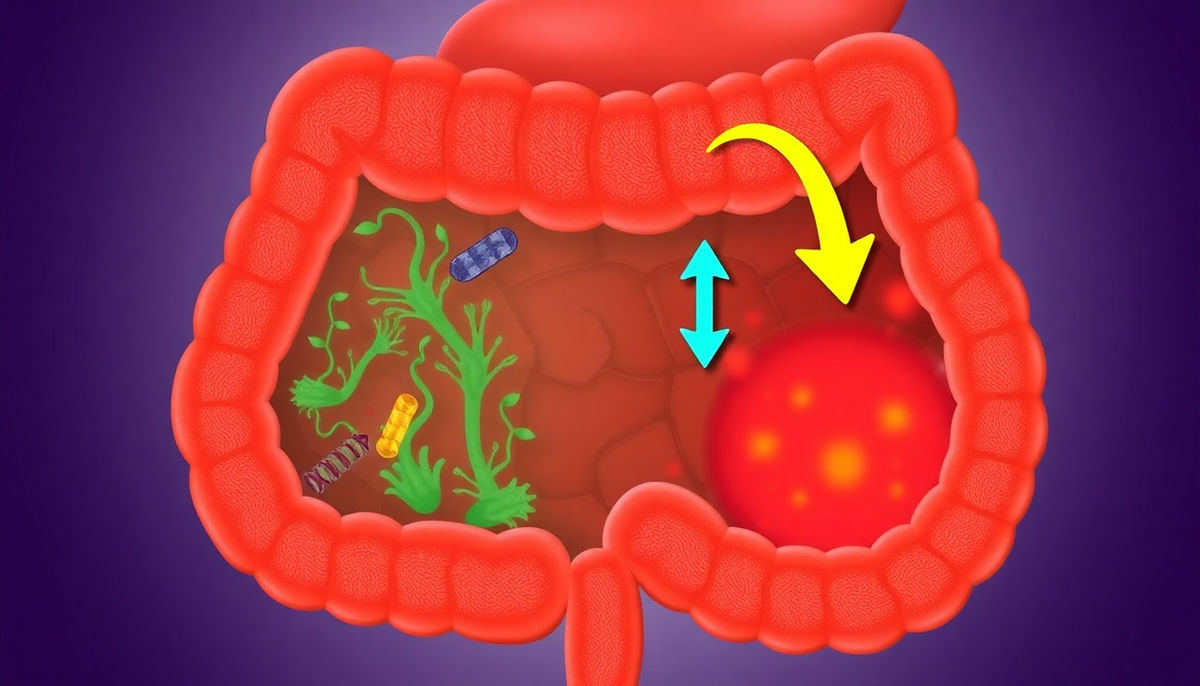
When a supplement alters the gut ecosystem, it can shift the balance between beneficial *Bacteroidetes* and opportunistic *Firmicutes*. A dominance of the latter often correlates with reduced short‑chain fatty acid (SCFA) production, especially butyrate, which is a key fuel for colonocytes and a regulator of the intestinal barrier. A weakened barrier permits microbial‑associated molecular patterns (MAMPs) to cross into the lamina propria, activating Toll‑like receptors and sparking low‑grade systemic inflammation. This cascade can manifest as subtle gastrointestinal discomfort, altered sleep, or reduced resting heart‑rate variability (HRV) – signals that many users interpret as “the supplement isn’t working.”
Supporting Threads From Recent Research
- Cross‑sectional studies have repeatedly shown that higher circulating lipopolysaccharide‑binding protein (LBP) aligns with lower HRV, indicating that gut‑derived inflammation dampens autonomic tone.
- Trials of high‑dose prebiotic fibers have demonstrated rapid shifts in microbial composition within 48 hours, sometimes increasing *Enterobacteriaceae* populations that can provoke inflammatory signaling.
- Conversely, short‑term probiotic co‑administration (e.g., *Lactobacillus plantarum*) has been reported to buffer these shifts, preserving SCFA levels and stabilizing HRV metrics.

Designing a 7‑14 Day n‑of‑1 Study
To test whether a supplement is contributing to gut‑derived inflammation for you, try the following protocol. The design balances a baseline control period with a targeted intervention, allowing a direct within‑subject comparison.
- Baseline (Days 1‑7): Record daily resting HRV each morning (using a validated wearable), stool consistency (Bristol Stool Scale), and any gastrointestinal symptoms (e.g., bloating, cramping). Maintain your usual diet and avoid new supplements.
- Intervention (Days 8‑14): Introduce the supplement you are evaluating (e.g., a fiber‑based product) at the recommended dose. Continue the same HRV and symptom tracking. If the supplement is a probiotic, keep the dosage consistent.
- Outcome Assessment: Compare the mean HRV, average stool consistency, and symptom scores between the baseline and intervention windows. Use a simple paired‑t test or a visual inspection of the time‑series to gauge change.
Null hypothesis: The supplement does not alter resting HRV, stool consistency, or reported GI symptoms relative to baseline.

What Remains Uncertain
The current evidence is largely observational and derived from short‑term trials. Key open questions include:
- Which specific supplement ingredients most frequently provoke dysbiosis?
- How do individual baseline microbiome profiles modulate the inflammatory response?
- Can longer probiotic co‑administration fully neutralize adverse shifts, and what is the optimal strain‑dose combination?
Until larger, controlled studies become available, self‑experimentation remains a practical way to surface personal signals. By systematically tracking HRV and gut‑related metrics, you can decide whether a supplement supports your goals or quietly fuels inflammation‑driven churn.