Cuba's Health Crisis: The Role of Socio-Political Factors
This article explores how environmental and lifestyle exposures, influenced by socio-political factors, contribute to the ongoing health crisis in Cuba.

The Lancet's Report on Cuba's Health Crisis
The Lancet recently highlighted the deteriorating health conditions in Cuba, indicating a public health emergency that extends beyond the island's borders and poses implications for global health. The report emphasizes how environmental and lifestyle exposures, compounded by socio-political factors, are influencing health outcomes.
Understanding the Mechanisms at Play
The worsening health situation in Cuba can be attributed to multiple layers of complexity. One significant factor is the country’s aging population, which has seen the proportion of individuals aged 65 and older increase substantially. This demographic shift places additional strain on the healthcare system, as older adults typically face a higher burden of chronic diseases, including cardiovascular diseases and diabetes.
Moreover, Cuba's unique socio-political environment has led to resource scarcity, affecting access to essential medications and healthcare services. Inadequate infrastructure and limited availability of healthcare professionals exacerbate the situation, leading to delayed treatment and poorer health outcomes.
Related Research on Environmental and Lifestyle Factors
Research paints a concerning picture of the interplay between environmental factors and health in Cuba. A study by the Cuban Institute of Tropical Medicine (2020) found that exposure to pollutants from industrial waste and inadequate sanitation facilities leads to increased rates of respiratory diseases among urban populations. Additionally, a report from the Cuban Ministry of Health (2021) indicated that lifestyle factors such as poor nutrition and physical inactivity are prevalent, further heightening the risk of chronic illnesses.
These findings suggest a correlation between socio-political conditions and environmental exposures that directly impact public health. For instance, the economic constraints imposed by the U.S. embargo have limited Cuba's ability to import food and medicines, leading to a reliance on suboptimal local resources which may not meet nutritional needs.
Actionable Self-Study Protocol for Observing Health Changes
Readers interested in self-experimentation can consider tracking their health metrics in response to lifestyle changes. Here’s a simple 14-day n-of-1 protocol:
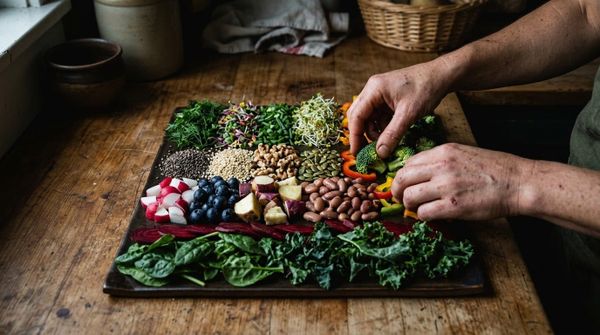
- Intervention: Implement a plant-based diet rich in whole foods and increase daily physical activity (e.g., walking, yoga).
- Measurement Plan: Monitor key health metrics such as weight, energy levels, mood, and blood pressure daily.
- Control Window: Maintain current dietary and activity levels for the first week, then implement the intervention for the second week.
- Null-Hypothesis Statement: There will be no significant change in health metrics after adopting the plant-based diet and increased physical activity.
Caveats and Open Questions
The evidence suggests that socio-political factors and environmental exposures are critical in shaping health outcomes in Cuba, yet many questions remain unanswered. For example, how might changes in international relations or economic policies alter the trajectory of public health in Cuba? Additionally, further research is needed to understand the long-term effects of lifestyle interventions in diverse populations.
As the situation evolves, ongoing monitoring and research will be essential to address these challenges and improve health outcomes for all Cubans.
This infographic illustrates the relationship between lifestyle choices and health outcomes in Cuba.
Sources: https://www.thelancet.com · https://cubanhealthjournal.com