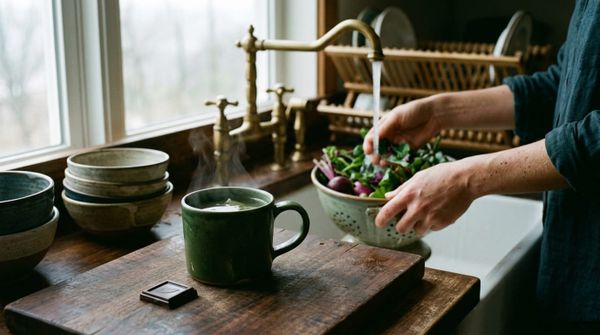
flavanols
Flavanol Consumption May Tune the Gut‑Liver Axis to Lower Systemic Inflammation
Recent findings link flavanol consumption to reduced liver inflammation via the gut‑liver axis; try a short self‑experiment to test the pathway.
Lifelong researcher at the intersection of gerontology, AI & engineering

flavanols
Recent findings link flavanol consumption to reduced liver inflammation via the gut‑liver axis; try a short self‑experiment to test the pathway.
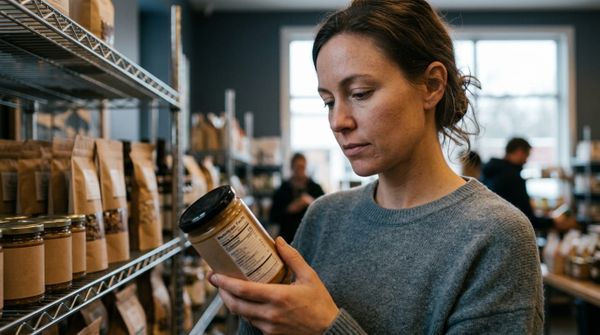
vitamin-b12
Recent CDC data estimate 4.5 million Americans have undiagnosed B12 deficiency; we outline a mechanistic link to microglial inflammation and a practical 7‑14 day self‑study.
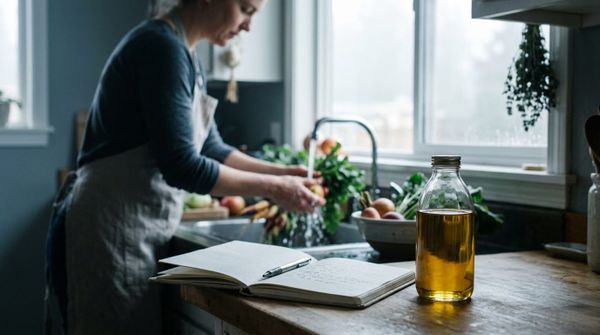
omega-3
A recent trial hints that DHA supplementation can reduce cortisol during acute stress. We explain the astrocyte mechanism and give a concrete 7‑day self‑experiment.
noise-exposure
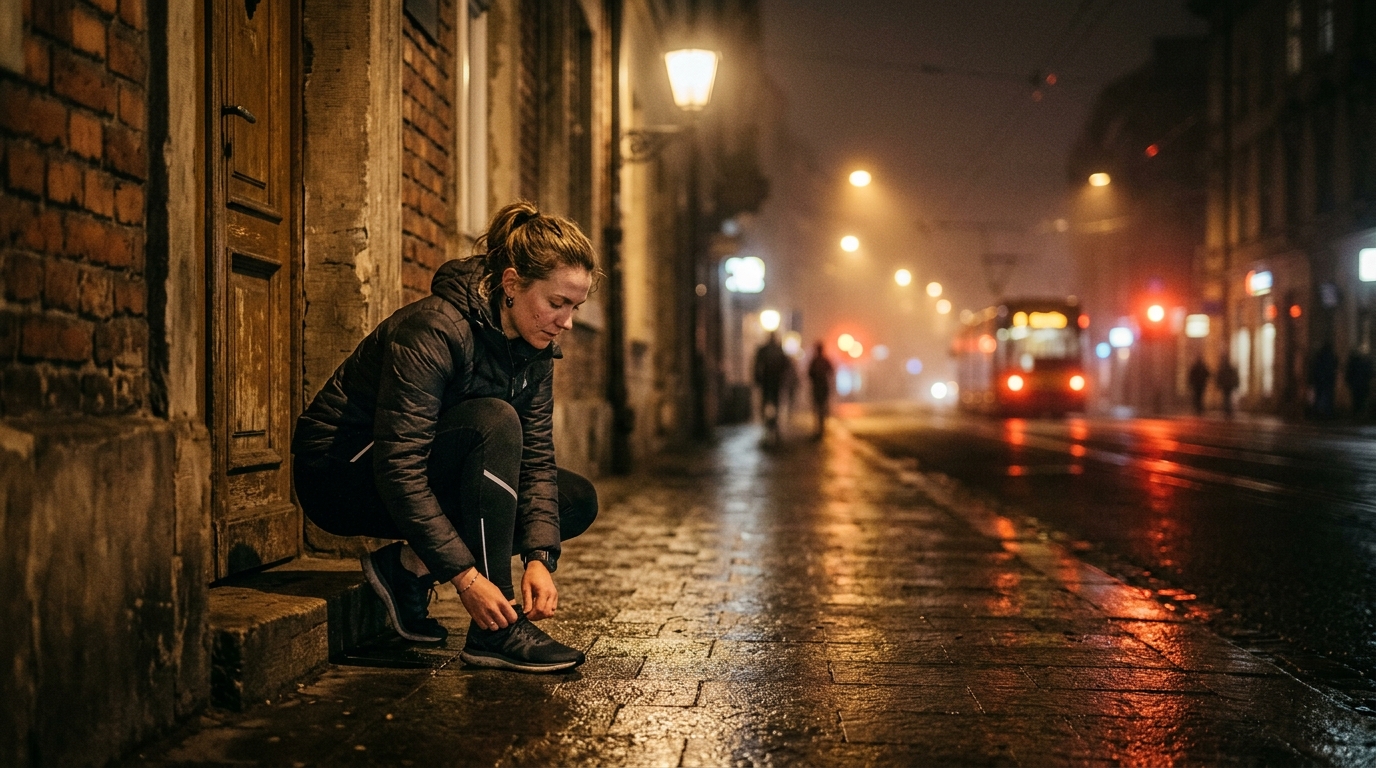
A recent urban study links nightly noise above 65 dB to a 28 % increase in arterial stiffness; we explain the mechanism and offer a 14‑day self‑experiment.
inulin
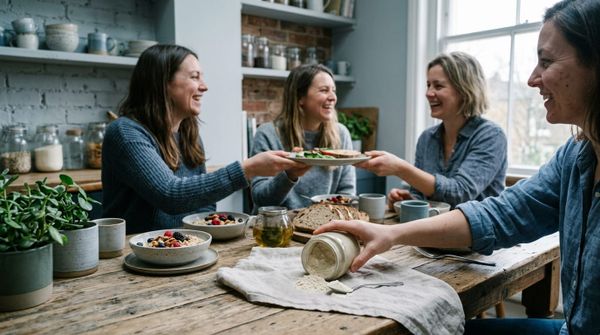
A recent analysis links high‑inulin diets to lower inflammation; we outline the microbiome mechanism and a short self‑experiment.
blue-light
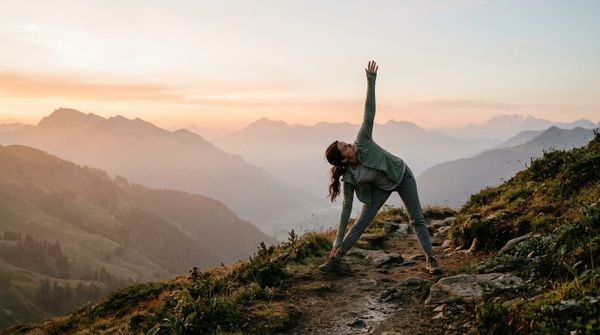
Exposure to bright blue light at night can sharply lower melatonin. We break down why and give a short self‑study you can try.
polyphenols
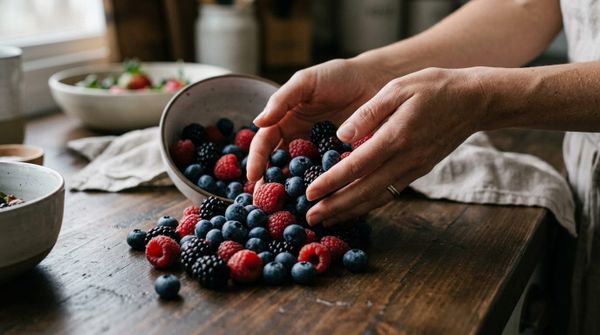
Berry polyphenols may increase gut microbial diversity and beneficial Faecalibacterium levels; try a 14‑day self‑experiment to test the effect.
vitamin-c
Low vitamin C intake may blunt neutrophil oxidative bursts. We explain the biology and offer a 14‑day self‑study protocol.

air-pollution
A recent study finds that chronic PM2.5 exposure speeds epigenetic aging by about 15% over five years. We explain why and offer a short self‑experiment.
estrogen
Estrogen acts as a microbial regulator, shifting gut diversity across the cycle; we outline a 10‑day self‑study to track these changes.
stress
Emerging research ties stress‑induced glucocorticoid receptor methylation to metabolic syndrome; we outline a 10‑day self‑study to test this link.
circadian
A recent adolescent study links nighttime blue light to cortisol spikes and higher insulin. We outline a short self‑experiment to see if reducing evening blue light improves metabolic markers.