
The Regulatory Gap of DSHEA: A Case Study of OxyElite Pro
This article examines the regulatory shortcomings of DSHEA through the case of OxyElite Pro, which was linked to hepatitis and hospitalizations.

Unveiling the OxyElite Pro Controversy
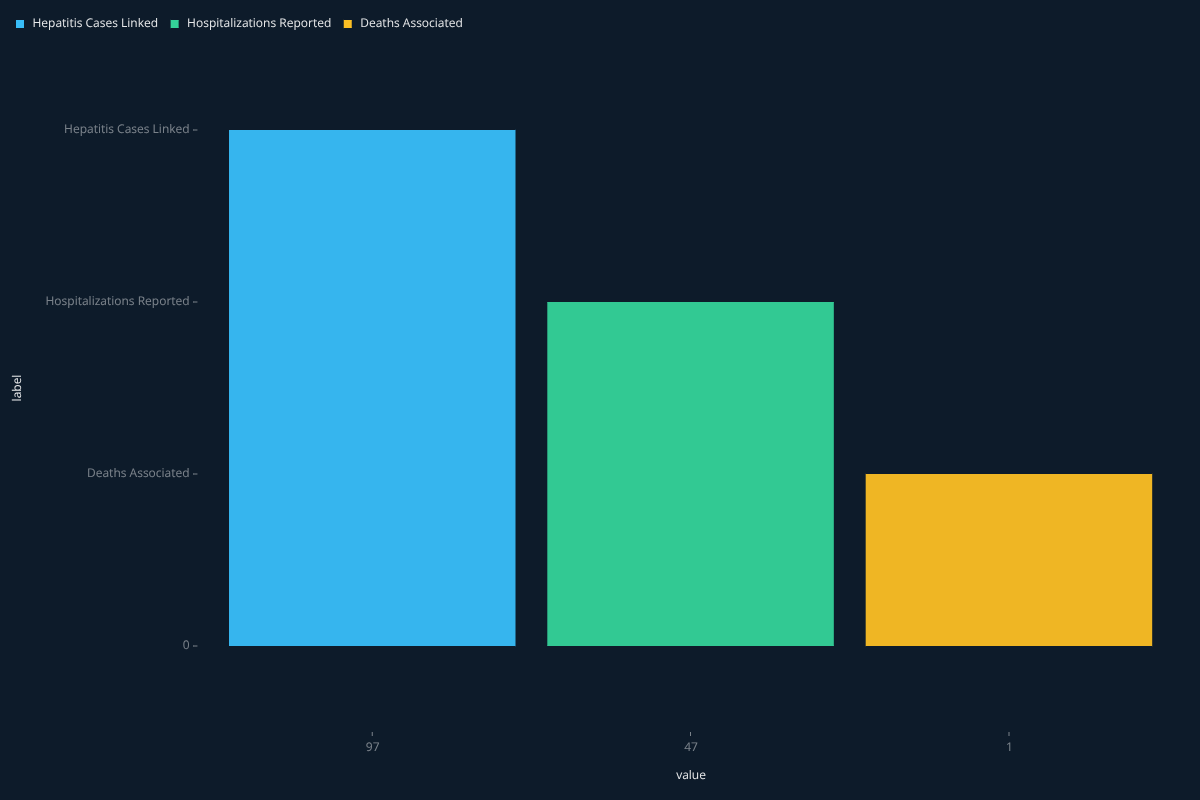
In 2013, the dietary supplement OxyElite Pro was linked to 97 cases of hepatitis, over 47 hospitalizations, and even deaths, highlighting significant gaps in the regulatory framework governing dietary supplements in the United States. This case serves as a stark reminder of the potential dangers posed by unregulated supplements and raises questions about the effectiveness of the Dietary Supplement Health and Education Act (DSHEA) of 1994.
Understanding the DSHEA Framework
The DSHEA established a regulatory framework that allows dietary supplements to be marketed without the same rigorous evaluation required for pharmaceuticals. Under this act, manufacturers are responsible for ensuring the safety of their products, but they are not required to provide evidence of efficacy or safety before marketing them. This lack of stringent oversight has led to numerous adverse events, as evidenced by the OxyElite Pro incidents.

The Mechanism Behind Hepatotoxicity
The mechanism by which OxyElite Pro caused liver damage is not entirely understood, but it is believed that certain ingredients or contaminants present in the supplement may have triggered hepatotoxicity. For instance, compounds like 1,3-dimethylamylamine (DMAA) have been associated with adverse liver effects and could potentially be responsible for the reported cases of hepatitis linked to the product.
Connecting Related Research
Research has shown that the deregulation of dietary supplements can lead to serious health consequences. A study indicated that products like OxyElite Pro and others have been linked to various health issues, including organ failure and death due to their unregulated nature [source](https://www.latimes.com/business/hiltzik/la-fi-mh-herbal-supplements-20140409-column.html). Another review highlighted the need for more stringent regulations to mitigate adverse effects associated with dietary supplements, especially those marketed for weight loss [source](https://www.pharmexec.com/view/reviewing-the-fda-s-regulatory-approach-to-dietary-supplements).
Self-Study Protocol: Assessing Supplement Safety
To explore the implications of supplement safety, readers can conduct a self-experiment by assessing the safety of dietary supplements they currently consume. Here’s a suggested protocol:
- Intervention: Identify and document all dietary supplements you are currently taking.
- Measurement Plan: Monitor for any adverse effects or symptoms for a period of 14 days.
- Control Window: If possible, refrain from taking the identified supplements for the first week and resume for the second week to compare symptoms.
- Null-Hypothesis Statement: There will be no significant difference in reported symptoms between the two weeks.
Caveats and Open Questions
While this self-study protocol can provide insights into individual reactions to supplements, it does not replace professional medical advice. It’s important to acknowledge that the evidence surrounding dietary supplement safety is still evolving, and new research may reveal additional risks associated with various products. Furthermore, the lack of transparency in ingredient sourcing and manufacturing practices remains a significant concern that could affect the safety of these products in the future.