
The Protocol Gap: Why Supplements Lack the Rigor of Pharmaceuticals
Discover the protocol gap between pharmaceuticals and supplements, emphasizing the $60 billion trust deficit and its implications for consumers.


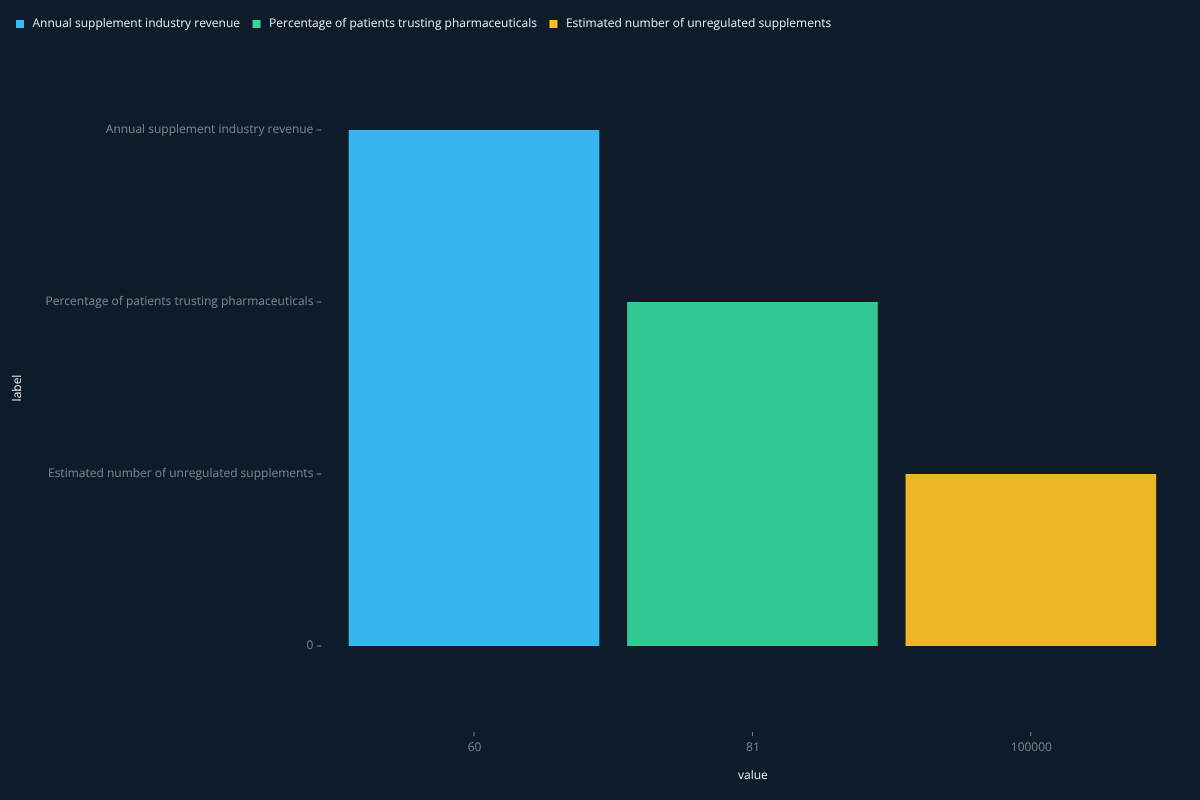
In the world of health and wellness, the absence of standardized protocols for supplements stands in stark contrast to the rigorous protocols that govern pharmaceuticals. This discrepancy is underscored by a recent analysis highlighting that the supplement industry generates over $60 billion annually, yet lacks the stringent oversight seen in pharmaceutical prescriptions. This trust deficit raises significant concerns about the quality and efficacy of supplements available to consumers.
The Mechanism Behind the Protocol Gap
The key difference between pharmaceuticals and supplements lies in the regulatory framework governing their development and approval. Pharmaceuticals undergo a comprehensive testing process before reaching consumers, which includes controlled clinical trials that define clear protocols for dosages, administration, and expected outcomes. In contrast, dietary supplements are often marketed with minimal oversight, allowing manufacturers to provide labels without extensive validation of their claims. This lack of rigorous protocols leads to variability in product quality and effectiveness, raising questions about their safety and reliability.

Connecting the Dots: Research Insights
Several studies illustrate the implications of this gap. For instance, one study indicated that while 81% of patients believe pharmaceutical companies influence prescription decisions, only a fraction trust supplements due to the lack of regulatory scrutiny [source label](https://www.pharmexec.com/view/the-90-10-issue-bridging-the-gap-between-pharma-focus-and-patient-needs). Furthermore, a comprehensive review highlighted that many supplement labels do not accurately reflect their contents, leading to consumer deception and skepticism [source label](https://tonyhuge.is/supplement-industry-deception-truth/). This inconsistency contributes to a broader issue where consumers are hesitant to rely on supplements for their health needs.

Actionable Self-Study Protocol
To explore the implications of this protocol gap personally, readers can conduct a self-experiment over 14 days focusing on a specific supplement. The protocol involves selecting a popular supplement (e.g., Vitamin D), tracking its effects, and comparing it with a placebo. Here’s how to set it up:
- Intervention: Administer the selected supplement daily for 14 days.
- Measurement Plan: Record subjective well-being metrics (energy levels, mood) daily on a scale of 1-10.
- Control Window: Use a placebo (e.g., sugar pill) for the week prior to starting the supplement.
- Null-Hypothesis Statement: There will be no significant difference in reported well-being between the supplement and placebo phases.
Caveats and Open Questions
While this self-experiment can provide insight into personal responses to supplements, it is essential to recognize the limitations. The sample size is inherently small (n=1), and results may not be generalizable. Additionally, the variability in supplement quality means that outcomes could differ significantly depending on the specific product used. Ongoing research is needed to establish standardized protocols for supplements, which could potentially enhance consumer trust and safety.