
Silent Churn and Contamination Risks in the US Supplement Industry
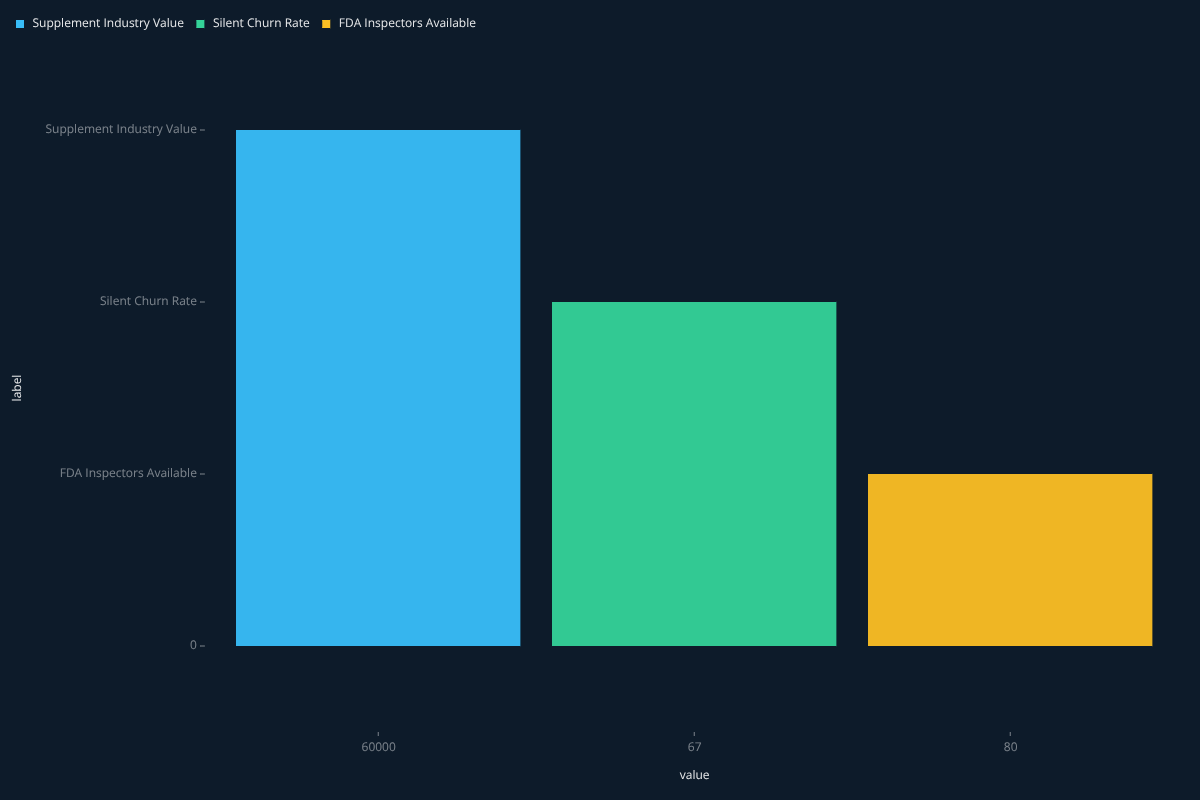
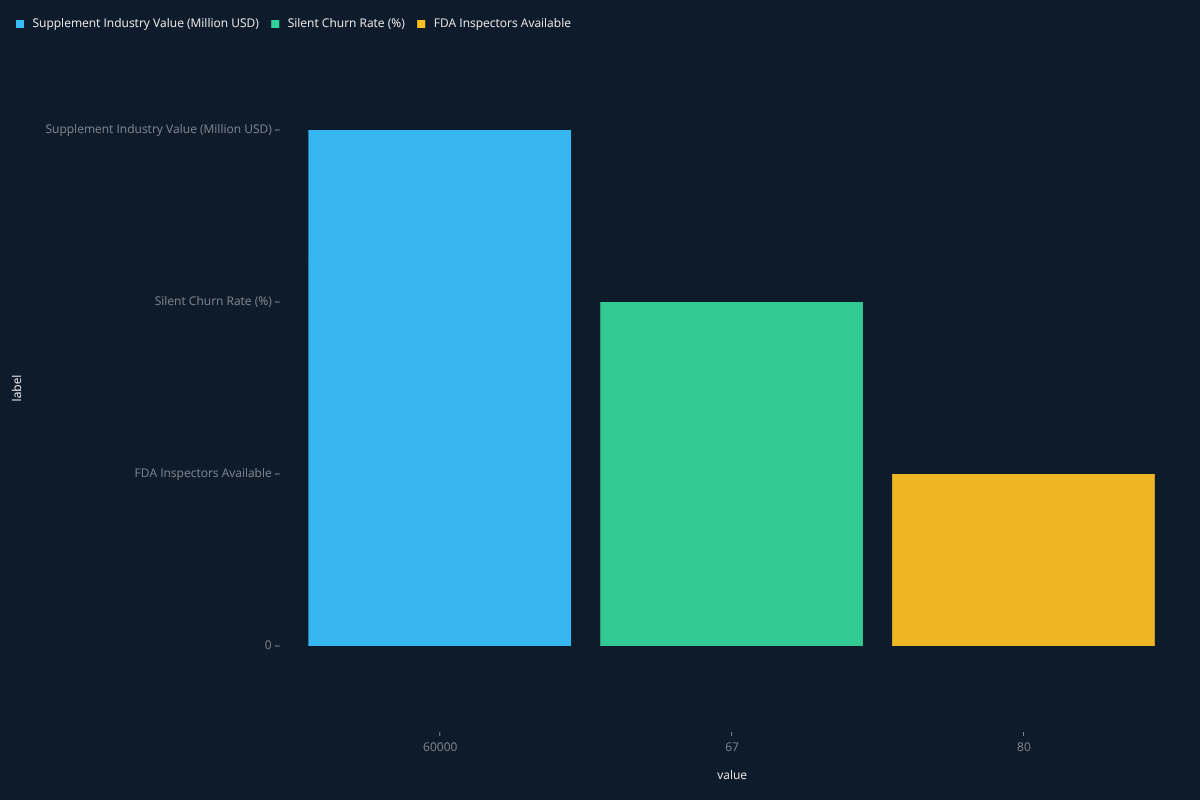
67% of supplement customers churn silently at Day 45, raising concerns about contamination risks amid limited FDA oversight in the $60 billion industry.

Understanding Silent Churn in Supplement Use
Recent findings reveal that 67% of supplement customers churn silently by Day 45, a significant statistic that underscores the need for scrutiny in the ever-expanding $60 billion dietary supplement industry. As reported by the Pew Charitable Trusts, this silent churn may not only reflect consumer dissatisfaction but also highlight potential risks associated with product quality and safety, especially given the limited regulatory oversight from the FDA.
The Mechanism Behind Churn and Contamination Risks
The churn rate among supplement users can be attributed to several factors, including ineffective products, adverse reactions, or a lack of perceived benefits. However, a more concerning aspect is the contamination risks that arise from inadequate regulatory oversight. With the FDA having a limited number of inspectors and resources to monitor the vast supplement market, the potential for contamination and unsafe products increases. This situation is exacerbated by the existing regulatory framework, which lacks the stringent pre-market approval processes seen in pharmaceuticals.
Connecting the Research Threads
Several studies have highlighted the alarming rates of contamination in dietary supplements. For instance, research indicates that a substantial number of adverse events are linked to herbal products, with the FDA's oversight often limited to consumer warnings and recalls rather than proactive inspections [source label](https://www.pharmexec.com/view/reviewing-the-fda-s-regulatory-approach-to-dietary-supplements). Additionally, the lack of adequate reporting mechanisms for adverse events means that many safety issues remain unaddressed, contributing to consumer churn and distrust in the industry.
Moreover, the Dietary Supplement Health and Education Act (DSHEA) of 1994 allows supplements to be marketed without rigorous testing, leaving consumers vulnerable to unsafe products [source label](https://www.fda.gov/food/information-consumers-using-dietary-supplements/questions-and-answers-dietary-supplements). This regulatory gap raises critical questions about the effectiveness of current oversight and the safety of dietary supplements available on the market.
Actionable Self-Study Protocol: Assessing Personal Supplement Safety
To better understand the risks associated with dietary supplements, readers can conduct a self-study protocol over 14 days to assess their supplement use and its effects. The protocol is as follows:
- Intervention: Discontinue all supplements for 14 days, except for any that are essential for medical reasons (consult a healthcare provider if unsure).
- Measurement Plan: Track any physical or mental changes, noting energy levels, mood, and any adverse effects experienced during this period.
- Control Window: Maintain a baseline record of supplement intake for the two weeks prior to discontinuation, noting any observed benefits or side effects.
- Null-Hypothesis Statement: Discontinuing supplements will not result in significant changes in physical or mental well-being.
Caveats and Open Questions
While this self-study protocol can provide insights into personal supplement use, it is essential to acknowledge the limitations of such an approach. Individual experiences may vary widely, and factors such as diet, lifestyle, and underlying health conditions can influence outcomes. Furthermore, the evidence surrounding supplement safety and efficacy is still evolving, and ongoing research is needed to address the regulatory gaps and contamination risks present in the industry.