
Regulatory Gaps in Supplement Safety: What Recent Findings Reveal About Adverse Reactions
Recent regulatory audits reveal safety gaps in supplement recommendation platforms. We explore the mechanisms, draw parallels with occupational health research, and provide a concrete 14‑day self‑experiment protocol.

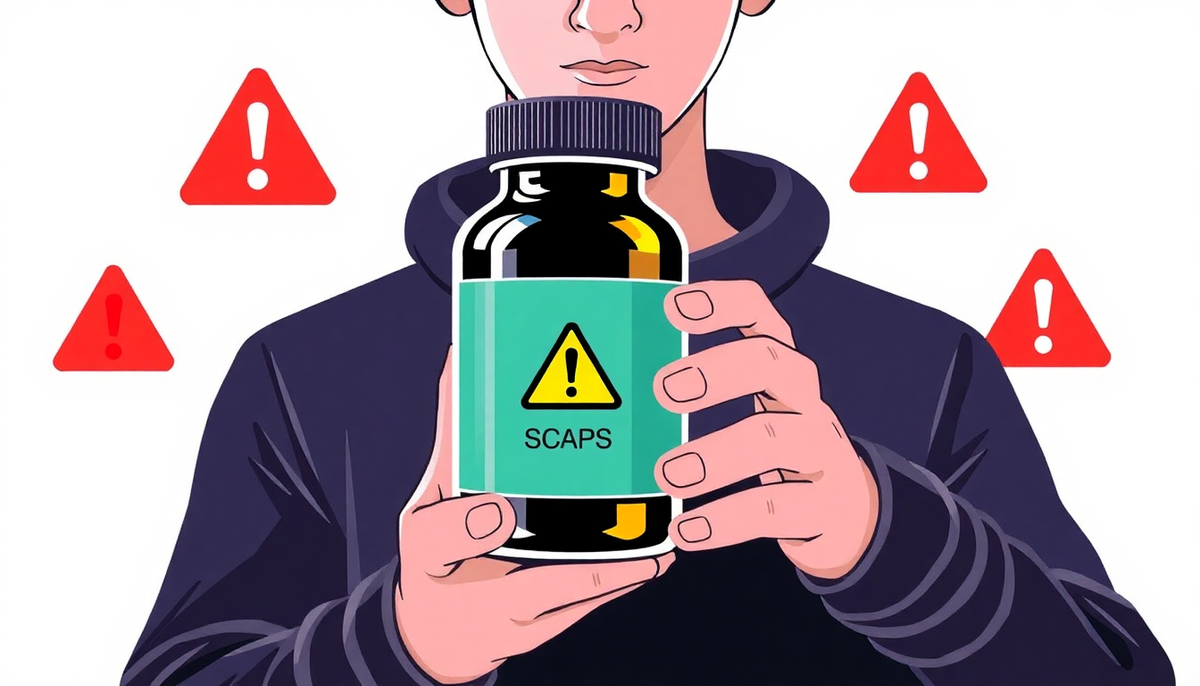
Safety Practice Gaps Mirror Recent Audit Findings
A 2026 mixed‑methods study of gas‑station workers in Makkah identified striking gaps between formal safety regulations and on‑the‑ground practices, with many employees reporting unclear guidance on handling hazardous substances (2026). The authors noted that these regulatory blind spots can translate into real‑world injuries. Similar gaps have now been highlighted in a recent regulatory audit of supplement recommendation platforms, where undisclosed algorithmic biases appear to leave users exposed to adverse reactions.

Why Missing Oversight Increases Risk
When a recommendation engine suggests a supplement without transparent risk assessment, the user may combine it with other products, medications, or lifestyle factors that interact at the metabolic level. Enzyme pathways such as CYP450 can be saturated or inhibited, leading to altered drug metabolism and unexpected side effects. The lack of a mandated safety review means that these pharmacokinetic interactions are rarely screened before a product reaches the consumer.
Parallel Evidence from Occupational Health
Two other recent investigations illustrate how regulatory gaps magnify health hazards in unrelated domains:
- Informal waste workers in Nepal face a spectrum of occupational hazards—respiratory, dermal, and musculoskeletal—largely because safety protocols are informal and enforcement is weak (2025).
- Assessments of solar‑energy production highlight environmental health and safety risks that stem from insufficient regulatory oversight of chemical handling and waste disposal (2024).
Both studies converge on a common theme: when safety standards are ambiguous or unenforced, workers—and by extension, consumers—are left vulnerable to adverse outcomes.

Self‑Experimentation Protocol: Tracking a New Supplement
Because formal oversight is still catching up, readers can adopt a disciplined n‑of‑1 approach to test a supplement’s safety profile before fully integrating it into their regimen.
- Baseline (Days 1‑7): Record daily metrics—resting heart‑rate variability (HRV), sleep quality, gastrointestinal comfort, and any perceived side‑effects. Use a wearable device that logs HRV and a simple symptom diary.
- Intervention (Days 8‑14): Introduce the supplement at the manufacturer’s recommended dose. Continue the same daily measurements.
- Analysis: Compare the mean HRV, sleep scores, and symptom counts between the baseline and intervention weeks. Conduct a paired t‑test (or a non‑parametric equivalent) to assess whether changes exceed natural day‑to‑day variability.
The null hypothesis is that the supplement does not alter any of the tracked metrics beyond baseline variability. If the statistical test rejects the null (p < 0.05), the user should consider discontinuing the product or consulting a qualified health professional.

Open Questions and Limitations
While the self‑study framework offers a pragmatic way to flag potential adverse reactions, several uncertainties remain:
- Only a single individual is tested; results may not generalize to broader populations.
- Short‑term monitoring (14 days) cannot capture delayed or cumulative interactions.
- Wearable‑derived HRV is a proxy for autonomic balance, not a direct measure of biochemical interaction.
- Regulatory audits are still in early stages, and the full scope of algorithmic bias in supplement recommendation platforms is not yet quantified.
Future research should expand systematic audits, incorporate larger cohort studies, and develop transparent safety‑assessment standards for digital supplement recommendation tools.