
Privacy-First Data Sharing: Empowering Users in Wellness Commerce
This article discusses the importance of privacy-first data sharing in wellness commerce, highlighting user control and engagement.


The Shift Towards User-Controlled Data Sharing
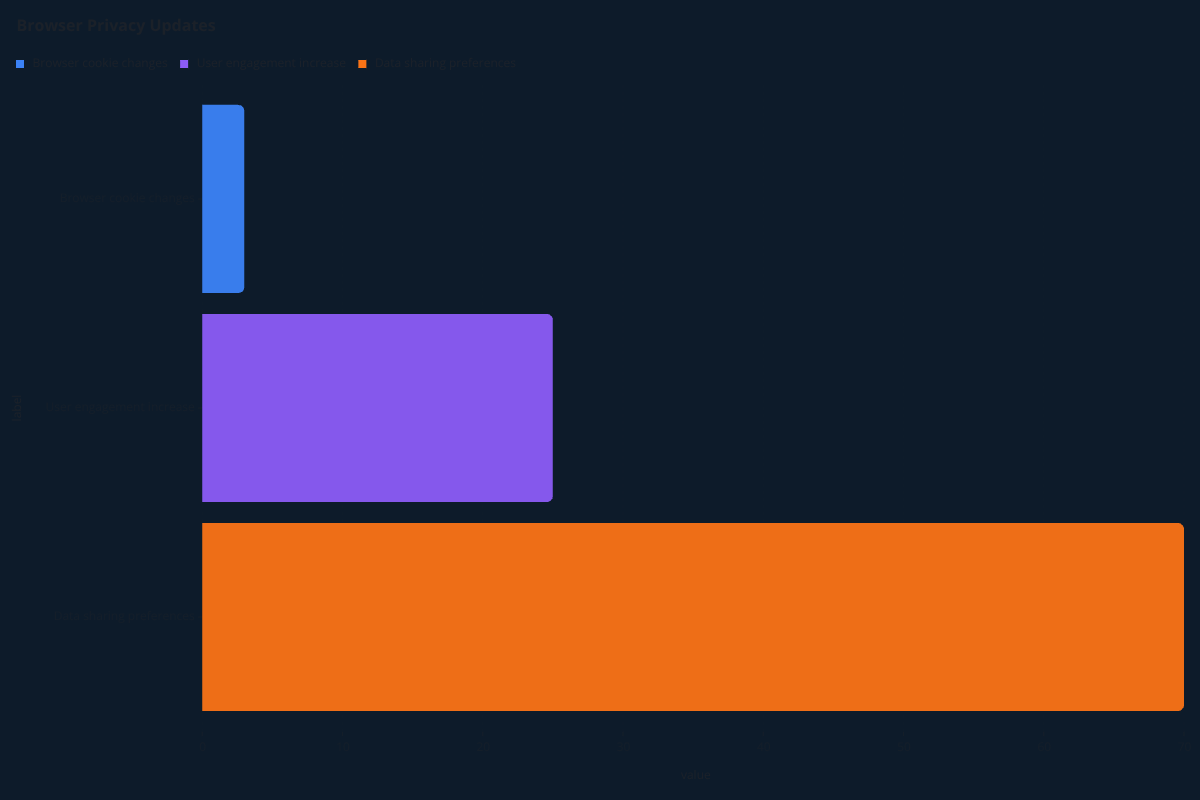
Recent updates in data privacy regulations have prompted brands to rethink their strategies for consumer data collection. Major browsers such as Firefox and Apple Safari have blocked third-party cookies by default, while Google has introduced its Privacy Sandbox, aiming to provide users with greater control over their data. This shift not only affects how brands interact with consumers but also highlights the importance of opt-in, anonymized, and granular data sharing models.
Understanding the Mechanism of Privacy-First Data Sharing
Privacy-first data sharing operates on principles that prioritize user consent and transparency. By allowing users to choose what data they share and with whom, brands can build trust and foster long-term relationships. This model is grounded in the concept of first-party data, where consumers voluntarily share information, resulting in cleaner and more reliable data. The mechanism behind this is twofold: it reduces the friction often associated with data sharing and enhances user engagement by providing a sense of control.

Connecting the Dots: Research Insights
Several studies have explored the impact of privacy-first strategies on consumer behavior. According to a report on privacy-first personalization, consumers are increasingly inclined to engage with brands that offer granular control over their data sharing preferences. This not only improves customer trust but also leads to higher conversion rates, as consumers feel more secure in sharing their information when they understand how it will be used [source label](https://www.cmswire.com/customer-experience/privacy-first-personalization-in-marketing-wins-customer-trust/).
Moreover, the implementation of secure data collaboration practices, such as data clean rooms, has shown promise in allowing brands to analyze consumer data without compromising individual privacy [source label](https://www.snowflake.com/en/blog/data-clean-rooms-privacy-collaboration/). This approach enables brands to gain insights while adhering to privacy regulations, demonstrating a potential pathway for future data-driven marketing strategies.
Designing Your Own Privacy-First Data Sharing Protocol
To test the efficacy of privacy-first data sharing models, readers can engage in a self-study protocol over a 14-day period. Here’s a simple plan:
- Intervention: Use a privacy-focused app that allows you to share data selectively with brands.
- Measurement Plan: Track engagement metrics (e.g., response rates from brands, frequency of interactions) and overall satisfaction with the data-sharing experience.
- Control Window: For the first week, use a standard data-sharing model where all data is shared without granular control.
- Null-Hypothesis Statement: There will be no significant difference in user engagement between privacy-first and traditional data-sharing models.
Exploring Uncertainties and Future Directions
While the evidence suggests that privacy-first data sharing can enhance consumer trust and engagement, several questions remain unanswered. For instance, what specific data points are most valuable for consumers? Additionally, how can brands effectively communicate their data-sharing practices to foster transparency? Addressing these questions will be crucial for advancing privacy-first strategies in the wellness commerce sector.