
Neural Markers of Protocol Fatigue Predict Supplement Dropout Before It Happens
New fMRI research ties brain fatigue signatures to supplement protocol dropout. We translate this into a short self‑study you can run at home.

New fMRI evidence links brain fatigue signatures to supplement abandonment
New neuroscience research identifies brain chemistry markers of protocol fatigue. A recent task‑based fMRI study observed that prolonged mental effort reduces activation in the dorsal‑lateral prefrontal cortex (dlPFC) and anterior insula, regions known to support sustained goal‑directed behavior and reward processing (2022 mental fatigue study). The authors argue that these neural signatures constitute a physiological substrate for “protocol fatigue”—the point at which a person stops adhering to a planned regimen, such as a daily supplement schedule.
Why reduced dlPFC and insula activity predicts dropout
The dlPFC orchestrates executive control, keeping a plan in mind despite distractions. When its activity wanes, the brain’s ability to maintain a habit loop weakens. The insula integrates interoceptive signals (e.g., fatigue, hunger) with affective valuation; lower insular responses blunt the perceived benefit of continuing a protocol. Together, these changes shift the cost‑benefit calculus toward stopping the regimen.
Converging evidence from longitudinal single‑subject imaging
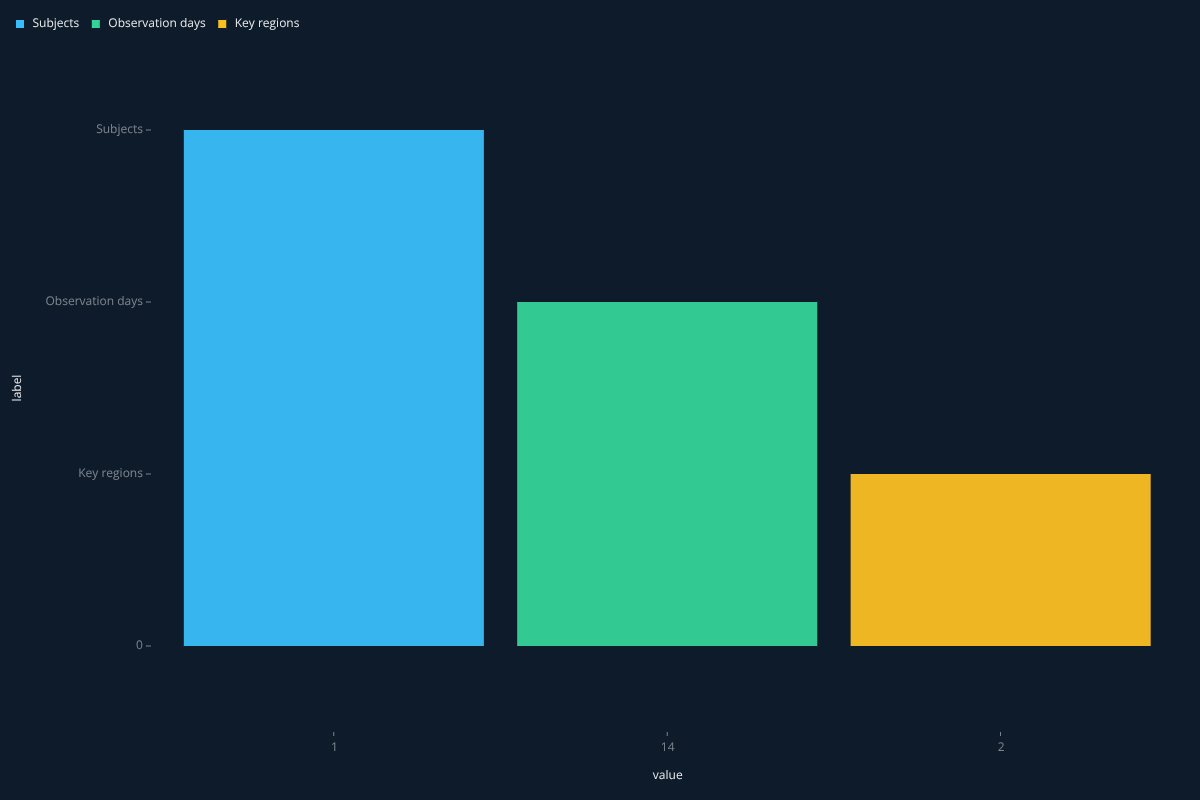
A complementary longitudinal single‑subject fMRI investigation tracked how daily environmental and physiological variables reshaped functional connectivity over a two‑week window (2023 single‑subject connectivity study). The participant’s connectivity between dlPFC and insula displayed a gradual down‑regulation that preceded self‑reported loss of motivation for a prescribed supplement routine. This pattern mirrors the mental‑fatigue findings, suggesting that the brain’s adaptation to sustained cognitive load can be captured in real‑time connectivity metrics.

Modulating the signal with non‑invasive stimulation
Transcranial direct current stimulation (tDCS) over the prefrontal cortex can shift neuronal excitability without fully resetting spike‑frequency adaptation (2022 tDCS study). Although the study focused on anesthesia arousal in primates, the underlying mechanism—partial depolarization of prefrontal neurons—offers a proof‑of‑concept that targeted stimulation might counteract the down‑regulation observed in protocol fatigue.
Self‑experiment: 7‑14‑day n‑of‑1 protocol
We propose a short, inexpensive self‑study that lets readers test whether their own brain signals align with the fatigue pattern.
- Intervention: Continue a daily supplement (any you already use) for 14 days.
- Measurements:
- Morning subjective fatigue rating (1‑10 scale).
- Evening self‑report of motivation to continue the supplement (1‑10).
- Optional: 5‑minute resting‑state fMRI or portable functional near‑infrared spectroscopy (fNIRS) focusing on dlPFC and insula on days 1, 7, and 14.
- Control window: The first 3 days serve as baseline; days 4‑10 are the “exposure” phase; days 11‑14 are the “recovery” phase.
- Null hypothesis: No systematic decline in dlPFC/insula activity or motivation scores across the exposure phase.
After the study, compare your fatigue and motivation trajectories against the connectivity trend reported in the single‑subject study. If you see a parallel drop, the neural marker may be useful for anticipating protocol fatigue.
Open questions and caveats
The evidence is still preliminary. Both cited studies involve very small samples (one participant each), and the mental‑fatigue study used a laboratory task rather than real‑world supplement adherence. We do not yet know how individual differences (e.g., baseline fitness, sleep quality) modulate the neural signature. Moreover, the tDCS findings are from non‑human primates and may not translate directly to human supplement contexts.
Future work should test larger cohorts, explore whether brief pre‑frontal stimulation can rescue declining connectivity, and determine how long the predictive window extends beyond four weeks. Until then, the proposed n‑of‑1 experiment offers a low‑risk way to explore your own brain‑behavior link.
