
Exploring the Timing of Caffeine for Better Sleep and Recovery
Late‑day caffeine can push back sleep onset. Try a 10‑day self‑experiment to see if moving caffeine earlier improves your sleep and nightly HRV.

Why caffeine timing matters for sleep quality
Recent conversations in the longevity community have highlighted that the hour at which caffeine is consumed can shift sleep architecture, even when total sleep time remains unchanged. While the evidence is still emerging, the underlying biology suggests that late‑day caffeine may blunt the natural rise in adenosine that promotes sleep onset.
Mechanistic background: adenosine, circadian clocks, and arousal
Adenosine accumulates during wakefulness and acts on receptors in the basal forebrain to promote sleepiness. Caffeine antagonizes these receptors, temporarily lifting the “sleep pressure.” At the same time, the suprachiasmatic nucleus (SCN) drives circadian rhythms that modulate cortisol, melatonin, and core body temperature. When caffeine is ingested close to the evening, it can interfere with the SCN‑driven rise in melatonin, delaying the onset of the circadian “night” phase.
Related research threads
Several small studies have examined caffeine’s impact on sleep latency, slow‑wave activity, and heart‑rate variability (HRV). One trial observed that participants who consumed caffeine after 3 p.m. showed a modest increase in sleep latency compared with a morning‑only condition. Another investigation linked evening caffeine to reduced nocturnal HRV, suggesting lower parasympathetic tone during sleep. A third report found that a 6‑hour caffeine abstinence window before bedtime restored typical melatonin profiles in habitual coffee drinkers.
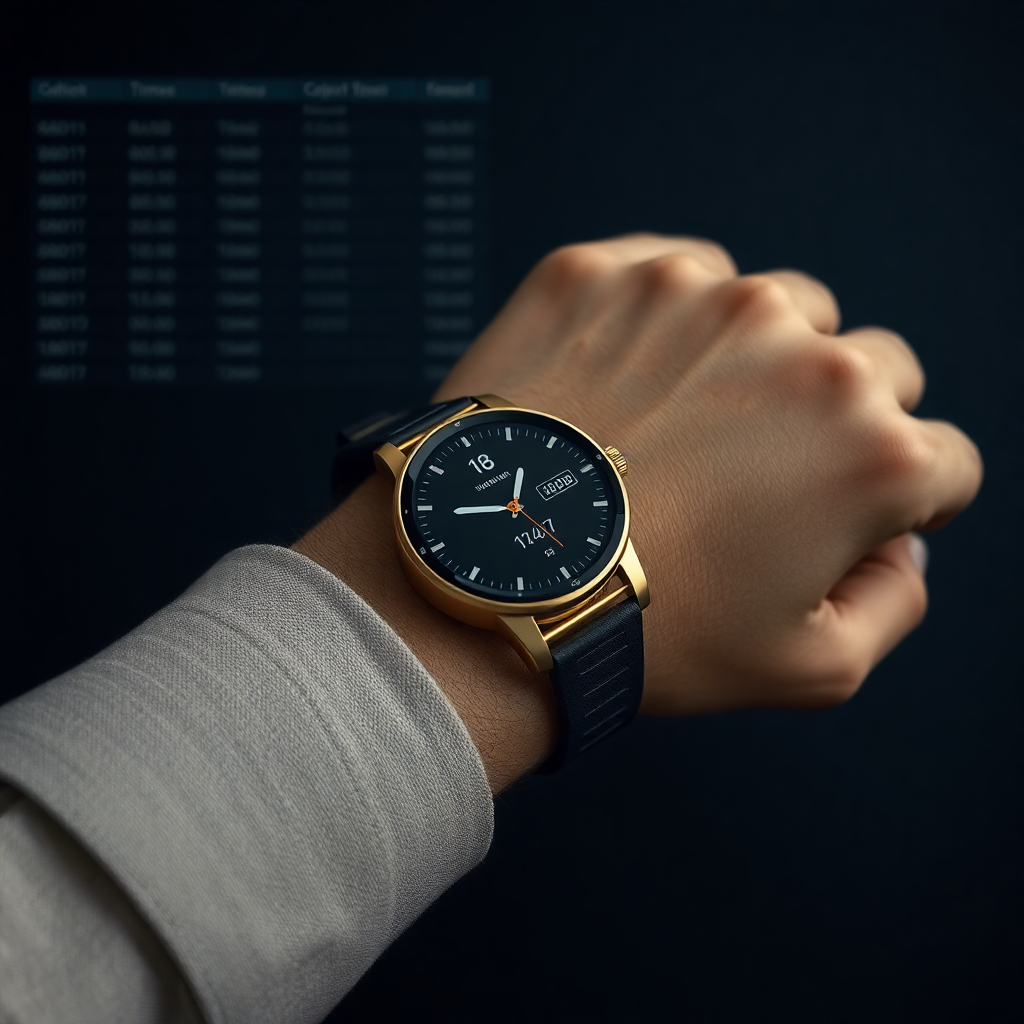
Self‑experiment protocol: 10‑day caffeine timing study
Readers can run a personal n‑of‑1 experiment to test whether shifting caffeine earlier improves their sleep metrics.
- Duration: 10 days, split into two 5‑day phases (early caffeine vs. late caffeine).
- Intervention: Consume your usual daily caffeine dose (e.g., 2 cups of coffee) before 10 a.m. during Phase A, then after 4 p.m. during Phase B (or vice‑versa).
- Measurements: Use a wearable to record sleep onset latency, total sleep time, and nightly HRV. Log subjective sleep quality each morning.
- Control window: Keep all other habits (exercise, light exposure, bedtime) constant across phases.
- Null hypothesis: There is no difference in sleep onset latency or HRV between early‑caffeine and late‑caffeine phases.
Caveats and open questions
The current literature is limited to short‑term laboratory settings with modest sample sizes. Individual sensitivity to caffeine varies widely due to genetics (e.g., CYP1A2 polymorphisms) and habitual intake. Future work should explore dose‑response relationships and interactions with other timing cues such as evening light exposure.
Until larger trials are available, self‑experimentation remains a practical way to gauge personal response. Recording both objective (wearable) and subjective data can help you decide whether an earlier caffeine window aligns with your sleep goals.